Part of the Wixroyd Group
Our sister brands

Part of the Wixroyd Group
Our sister brands
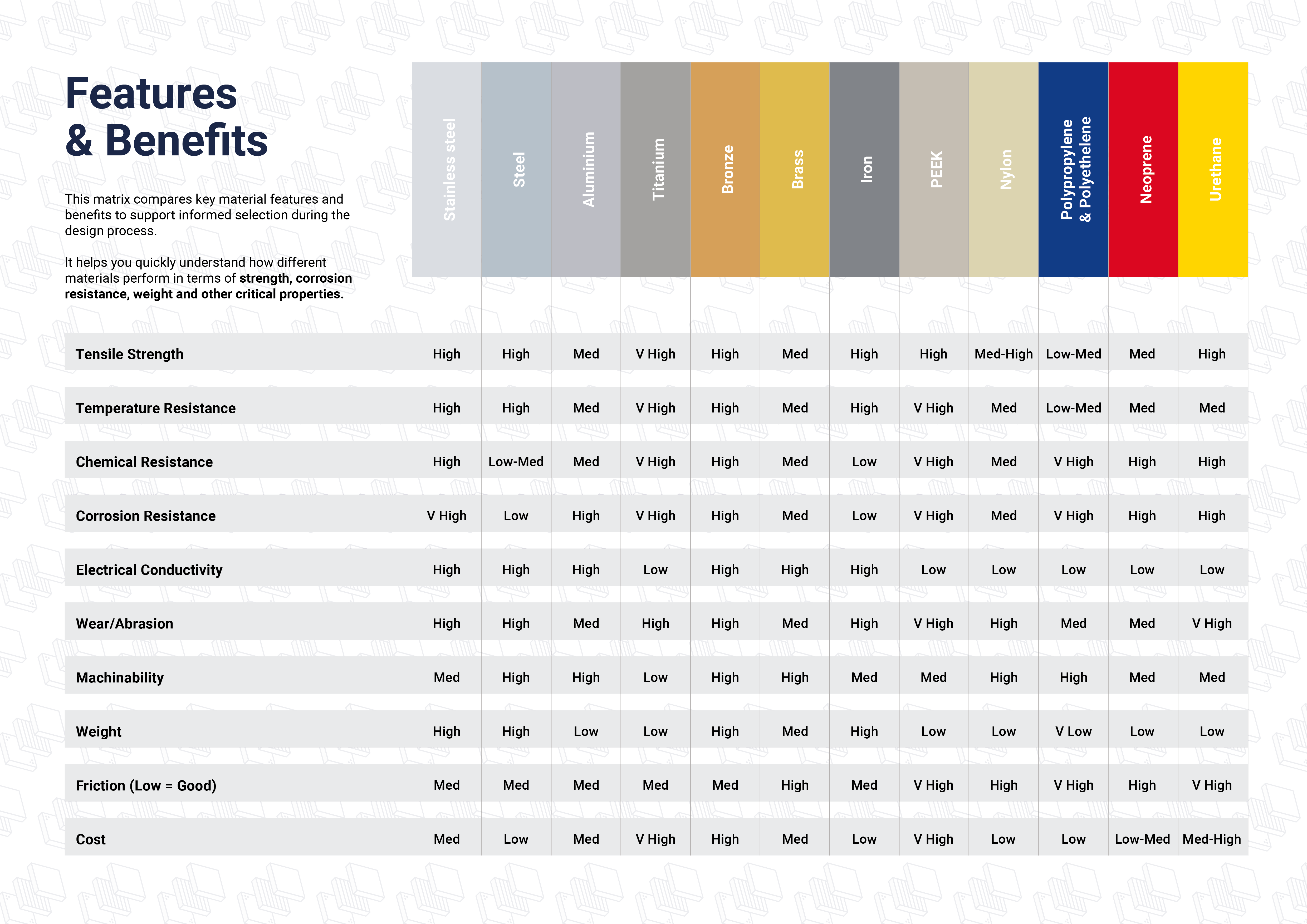
Your Material Matrix
Start every application with the right material.
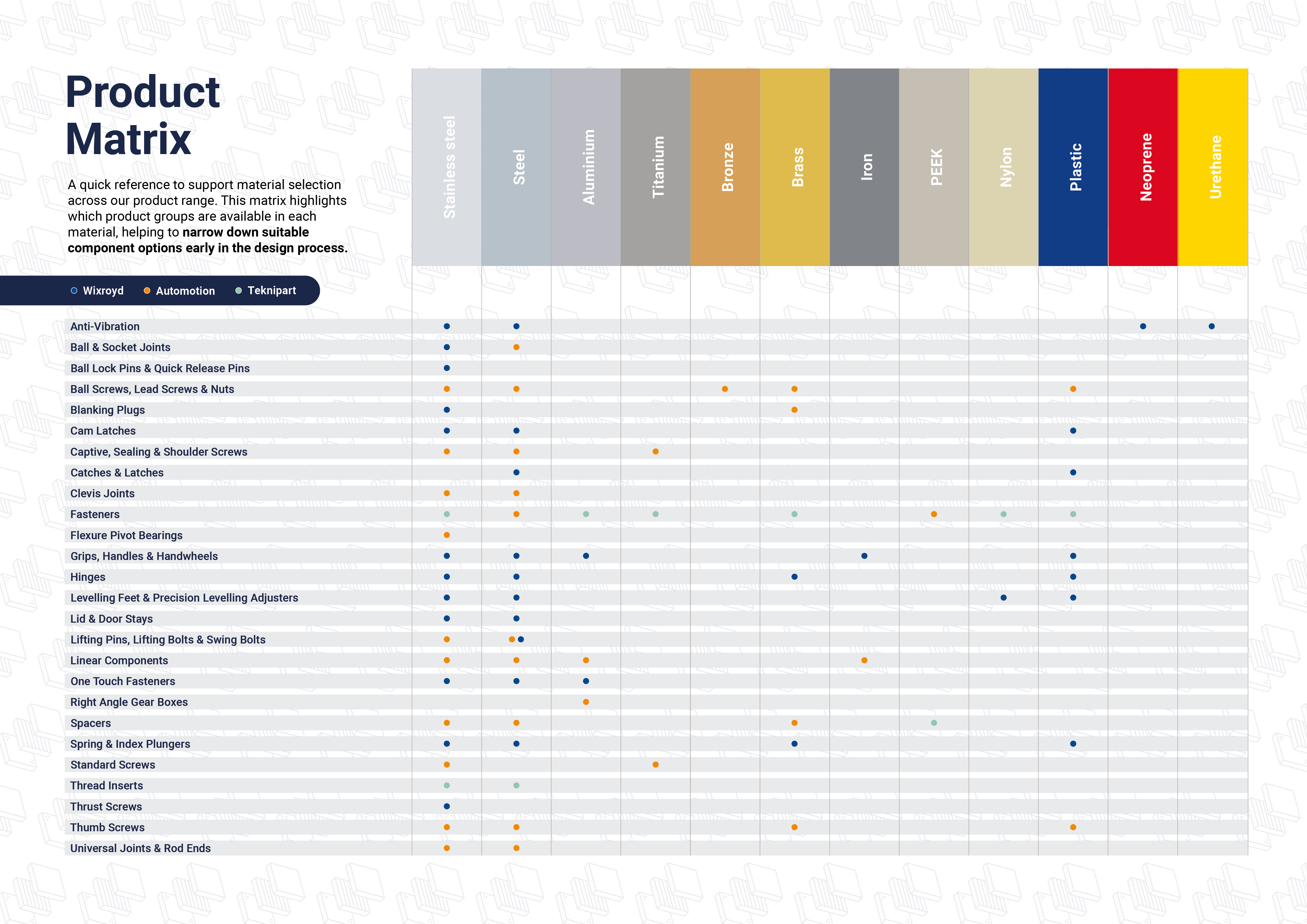
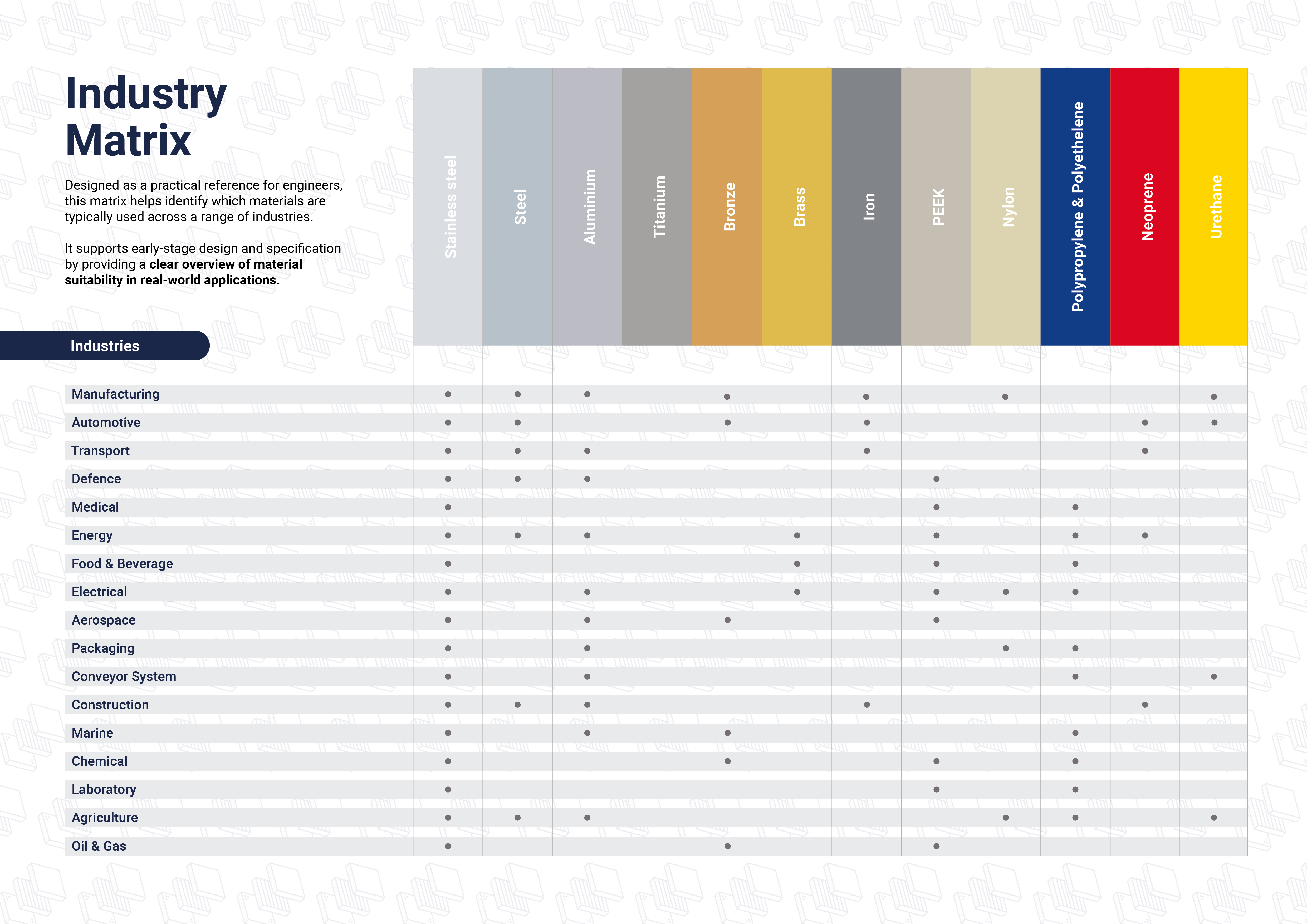
Precision engineering components rely heavily on the correct material selection for performance, durability and application suitability. Through offering products in a wide range of metals, plastics and specialist polymers, we support industries in achieving high levels of accuracy, strength and reliability across critical components. Materials include stainless steel, steel, aluminium, titanium, brass, bronze and iron, alongside engineering plastics such as PEEK, nylon, neoprene and urethane.

Your Material Matrix
Start every application with the right material.
Precision engineering components rely heavily on the correct material selection for performance, durability and application suitability. Through offering products in a wide range of metals, plastics and specialist polymers, we support industries in achieving high levels of accuracy, strength and reliability across critical components. Materials include stainless steel, steel, aluminium, titanium, brass, bronze and iron, alongside engineering plastics such as PEEK, nylon, neoprene and urethane.
Your Material Matrix
Start every application with the right material.
Precision engineering components rely heavily on the correct material selection for performance, durability and application suitability. Through offering products in a wide range of metals, plastics and specialist polymers, we support industries in achieving high levels of accuracy, strength and reliability across critical components. Materials include stainless steel, steel, aluminium, titanium, brass, bronze and iron, alongside engineering plastics such as PEEK, nylon, neoprene and urethane.
Stainless Steel
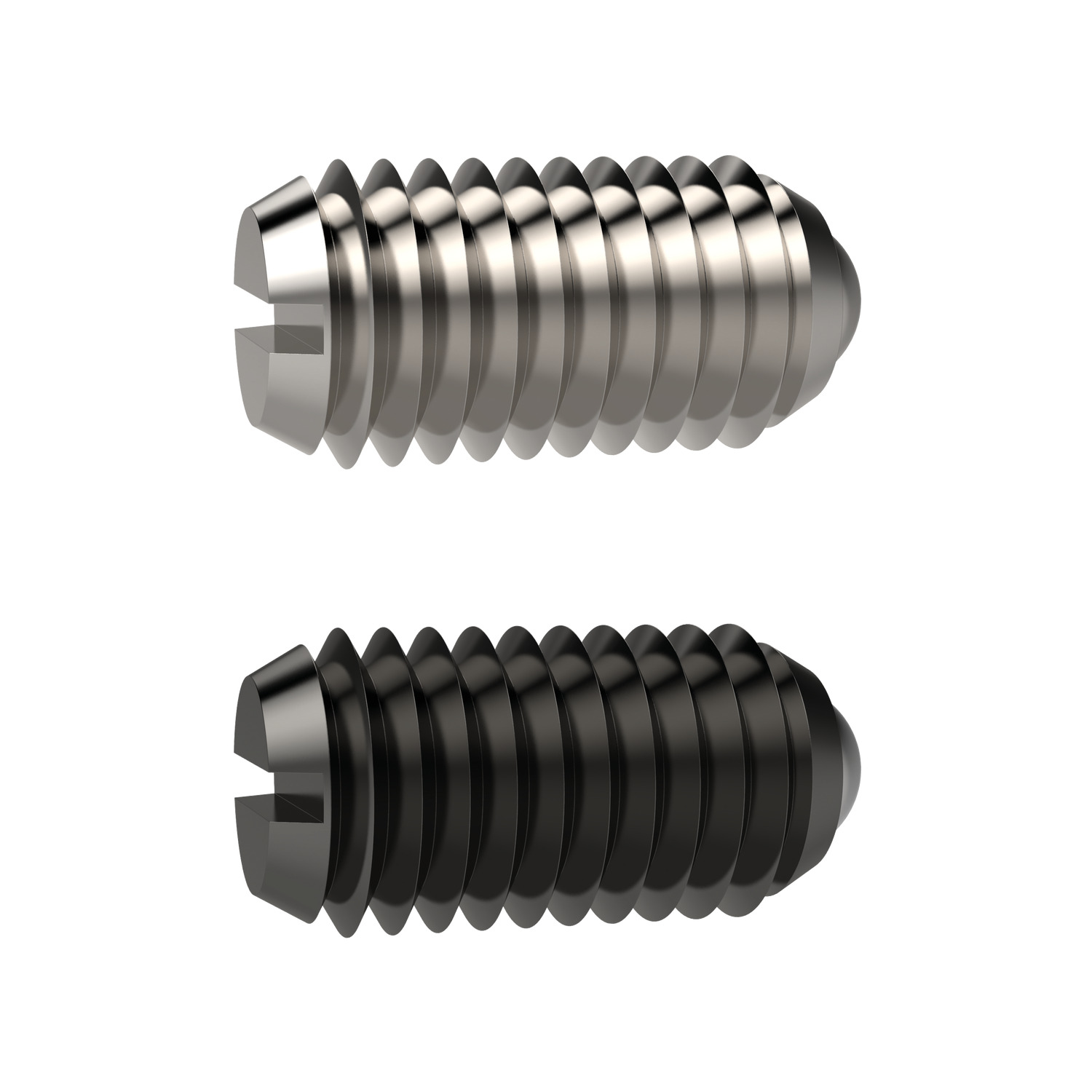
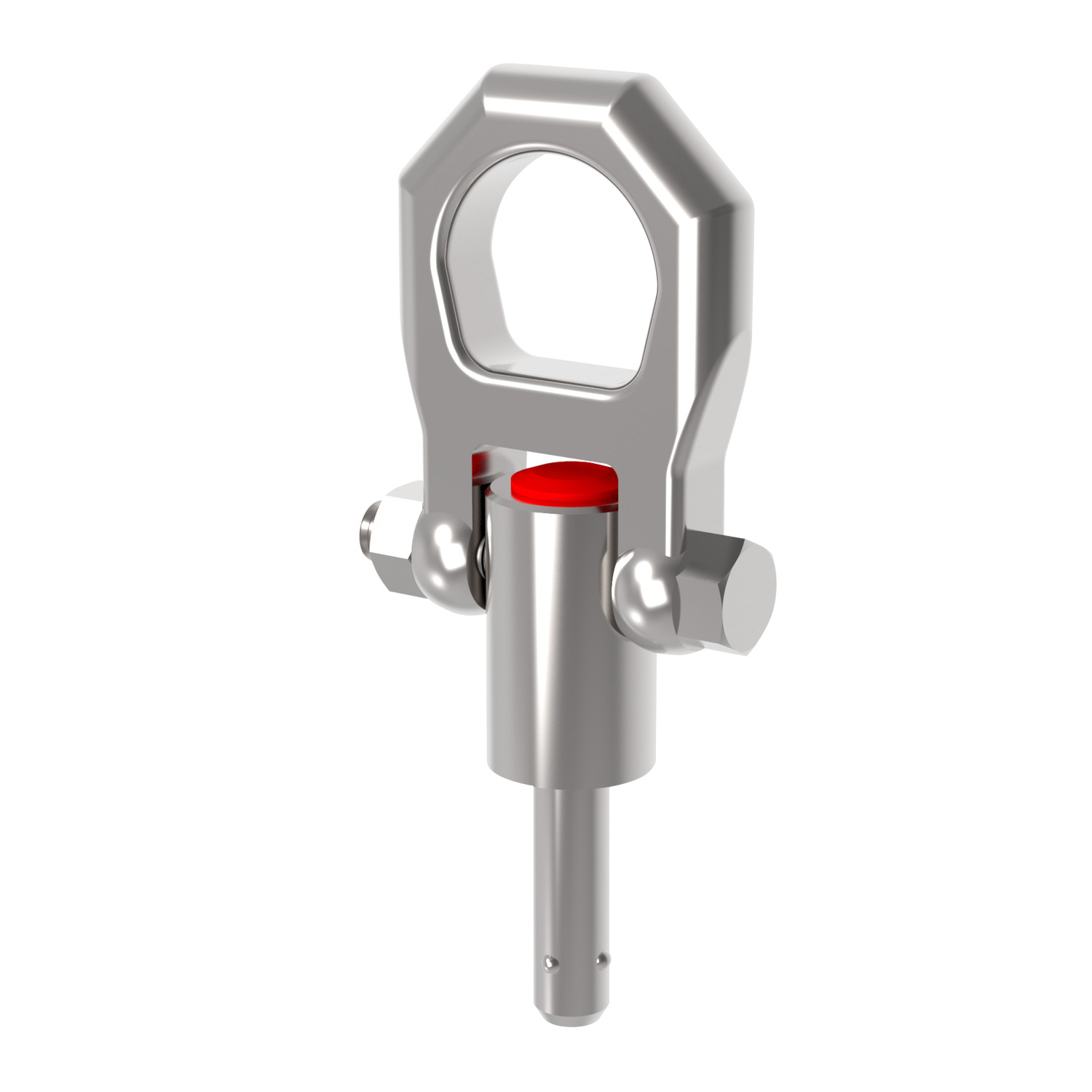
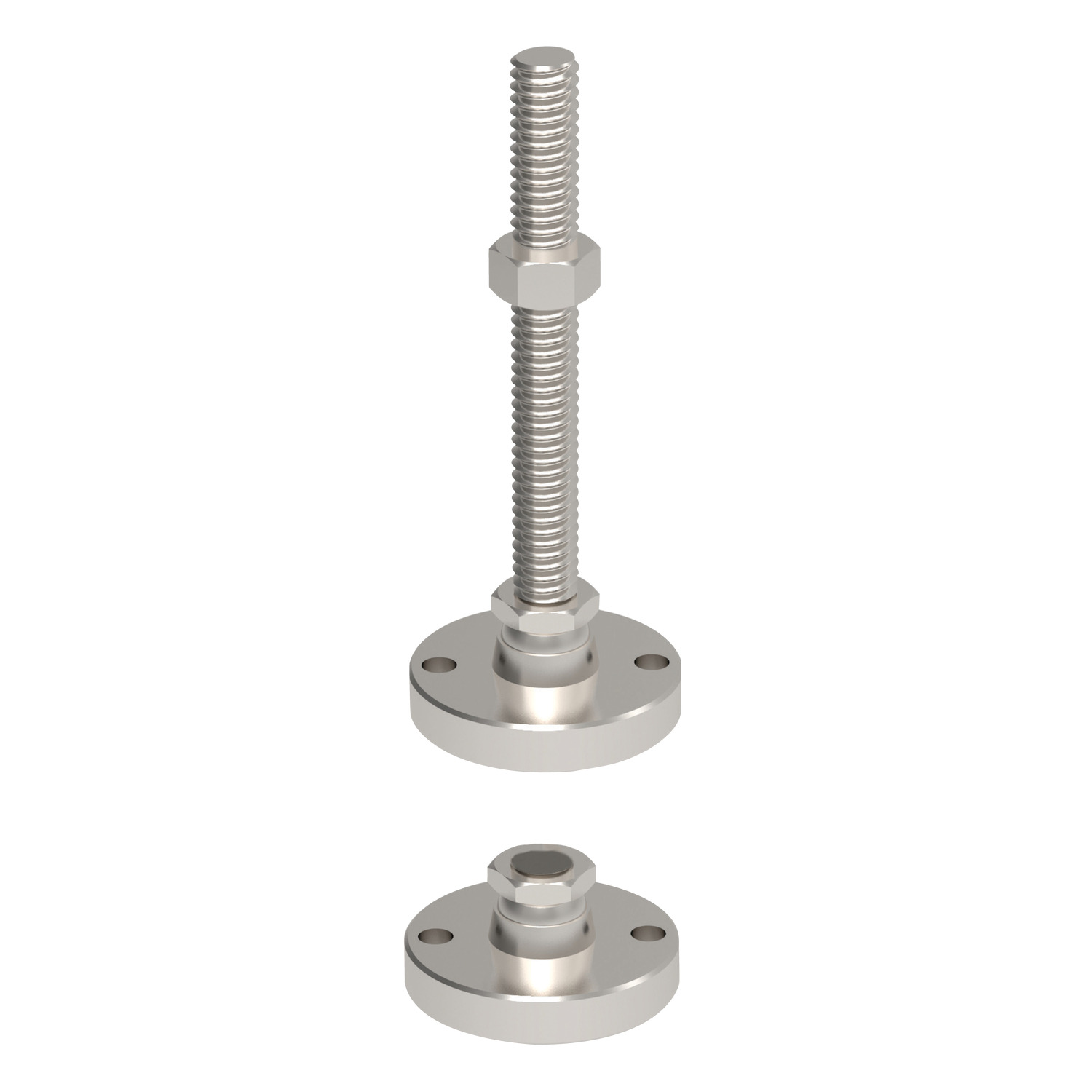
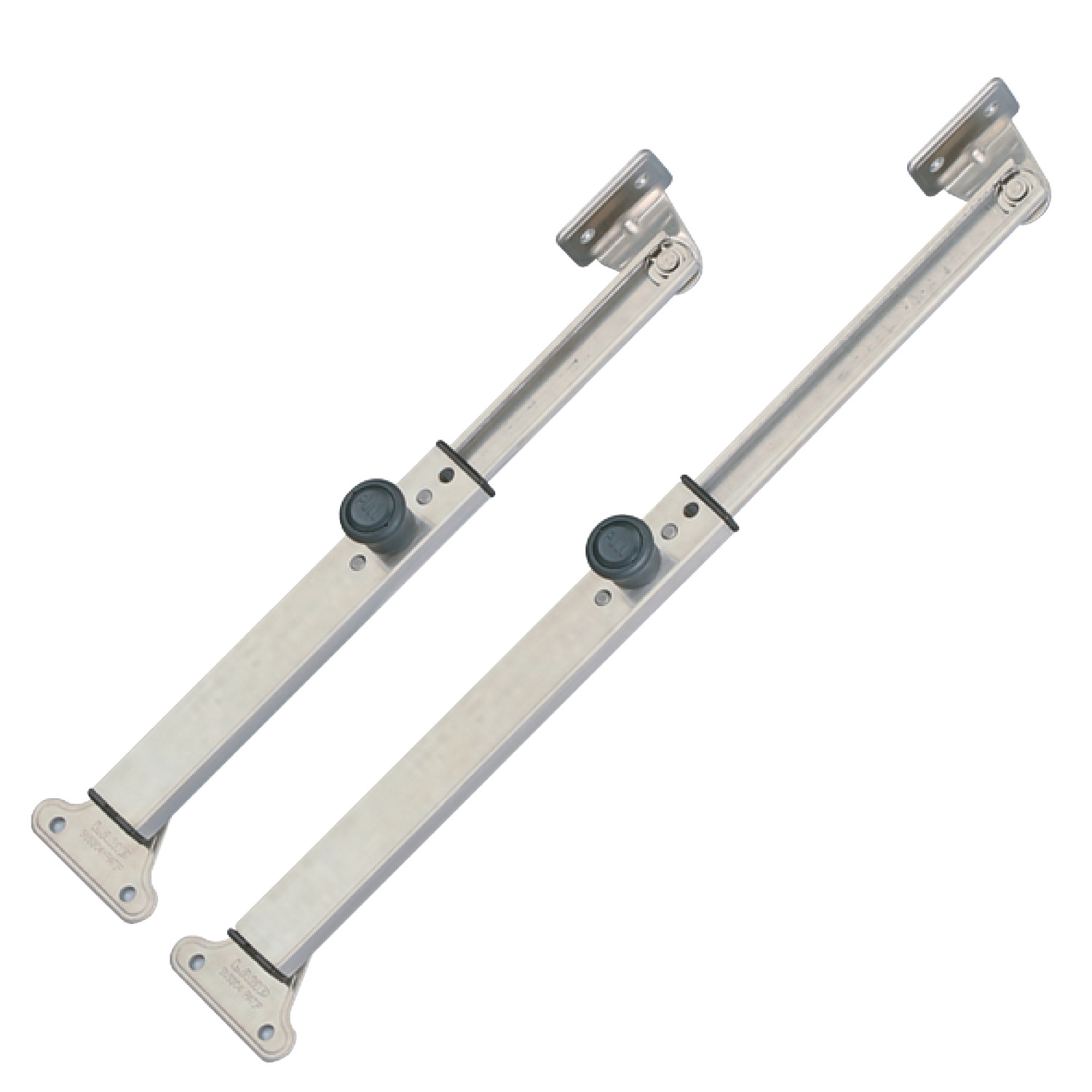
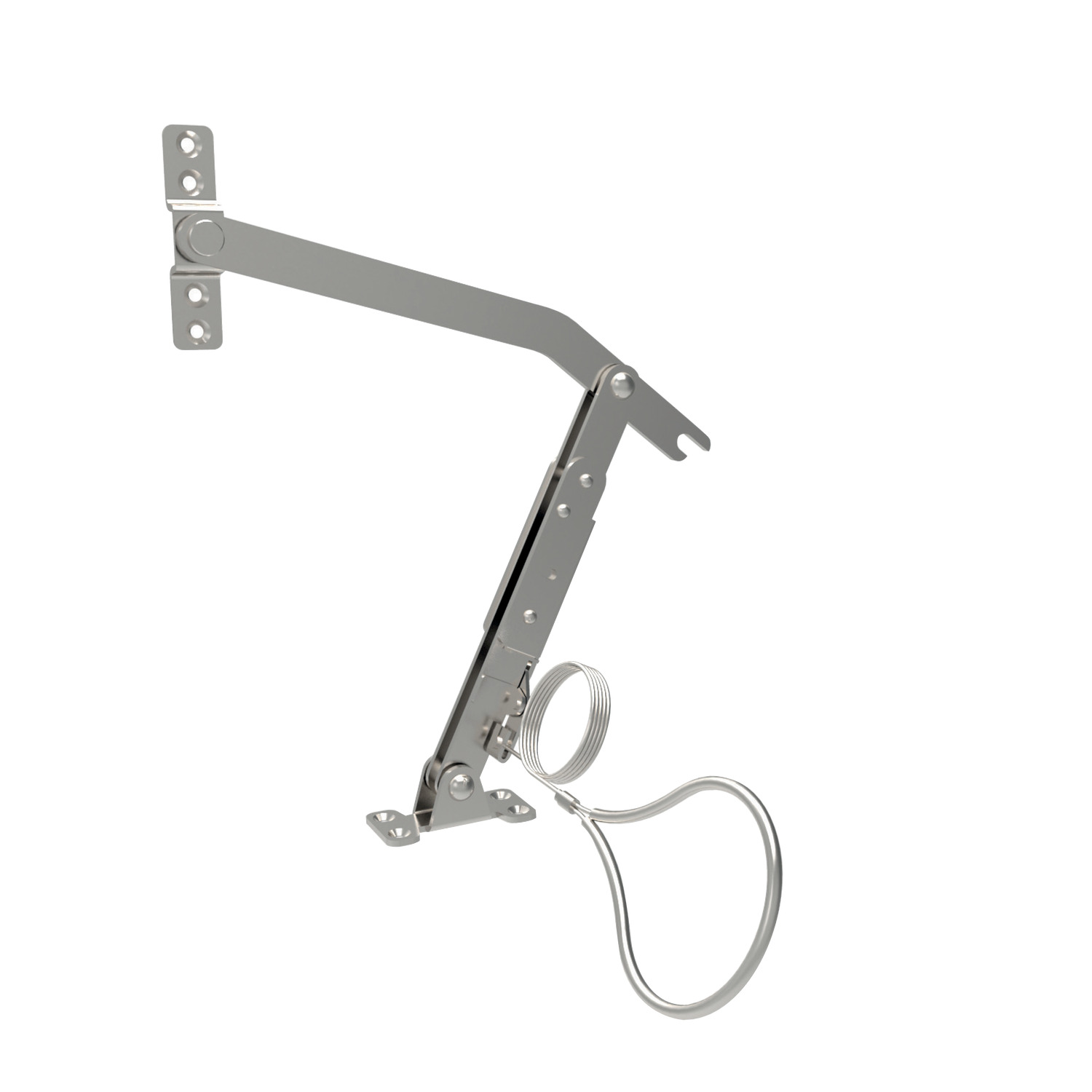
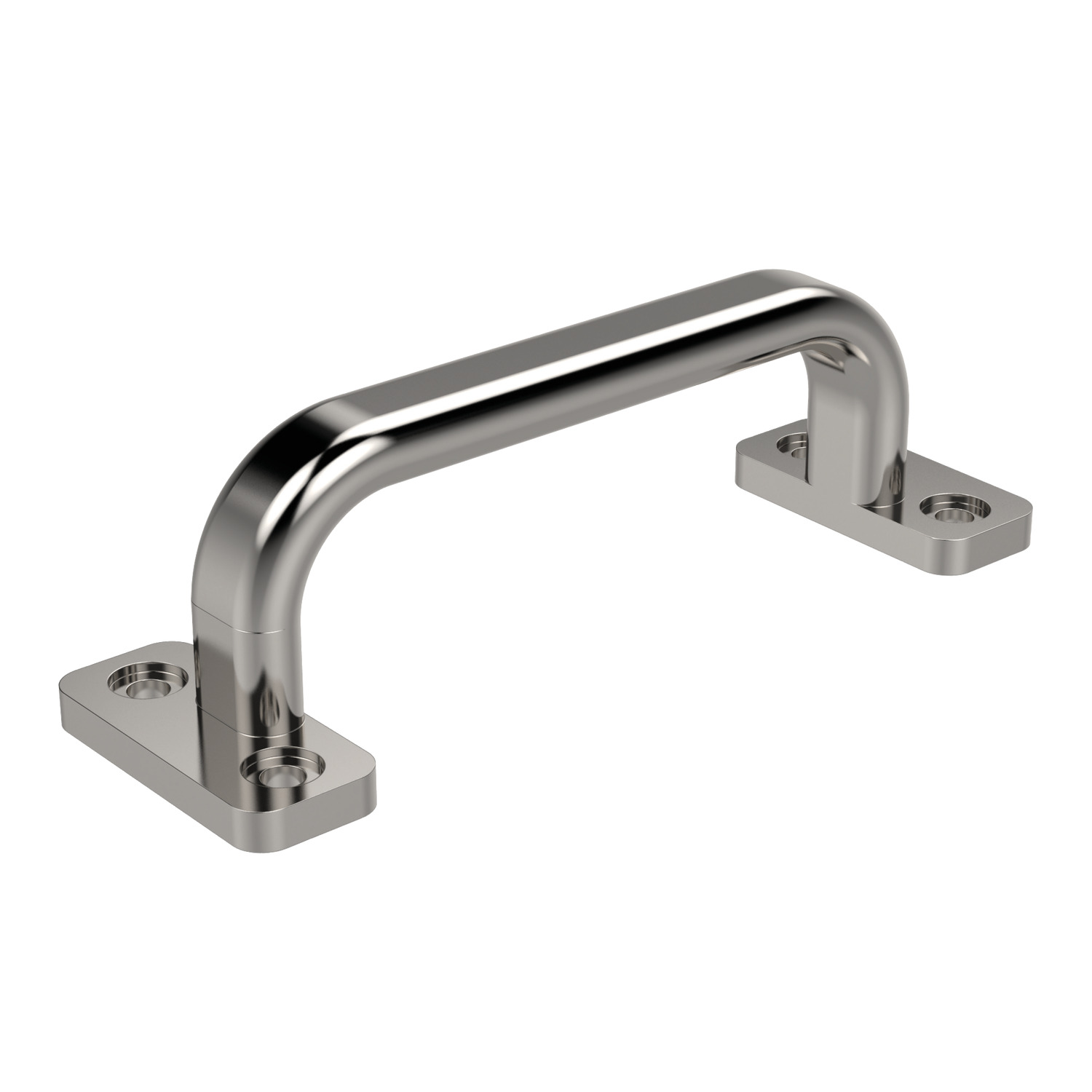
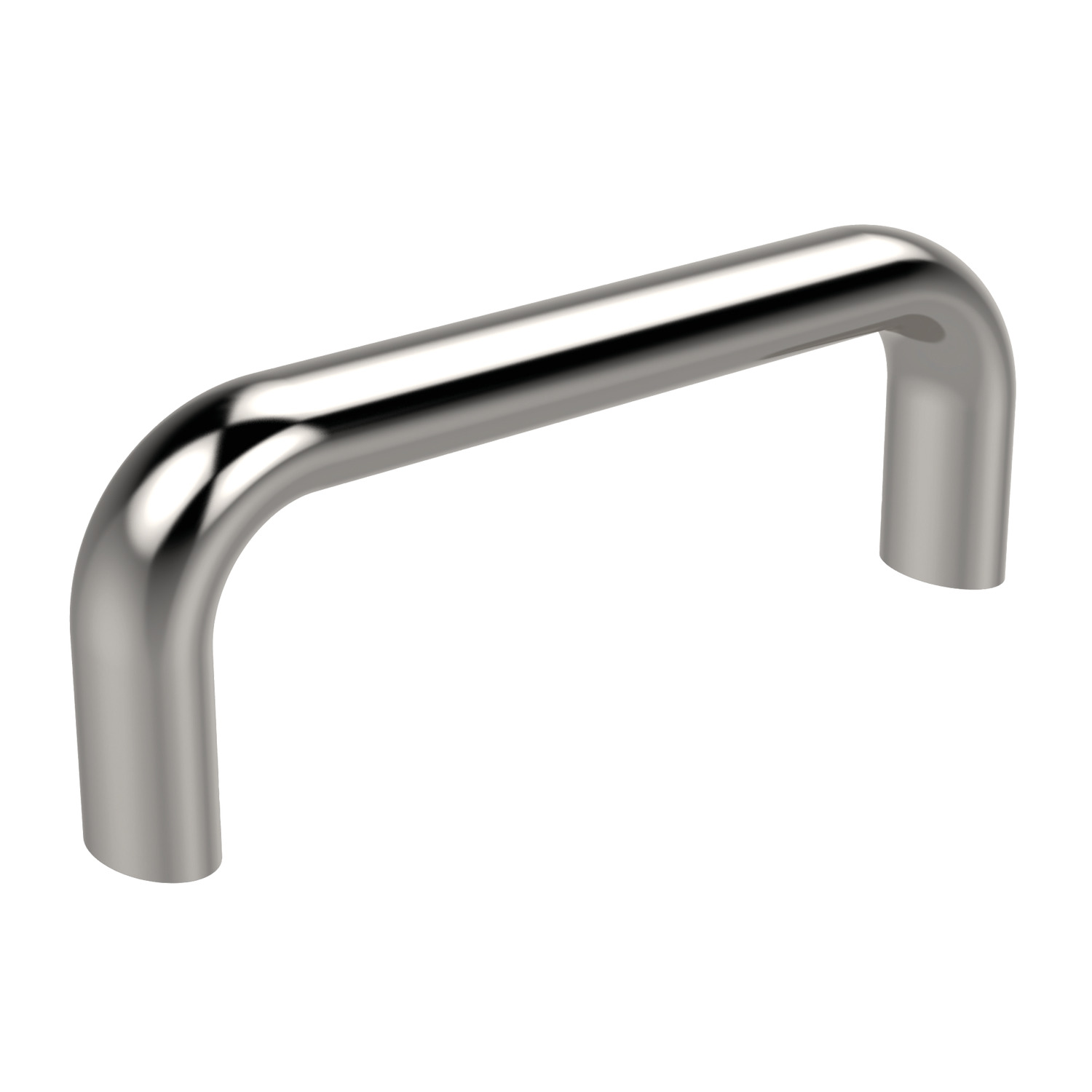
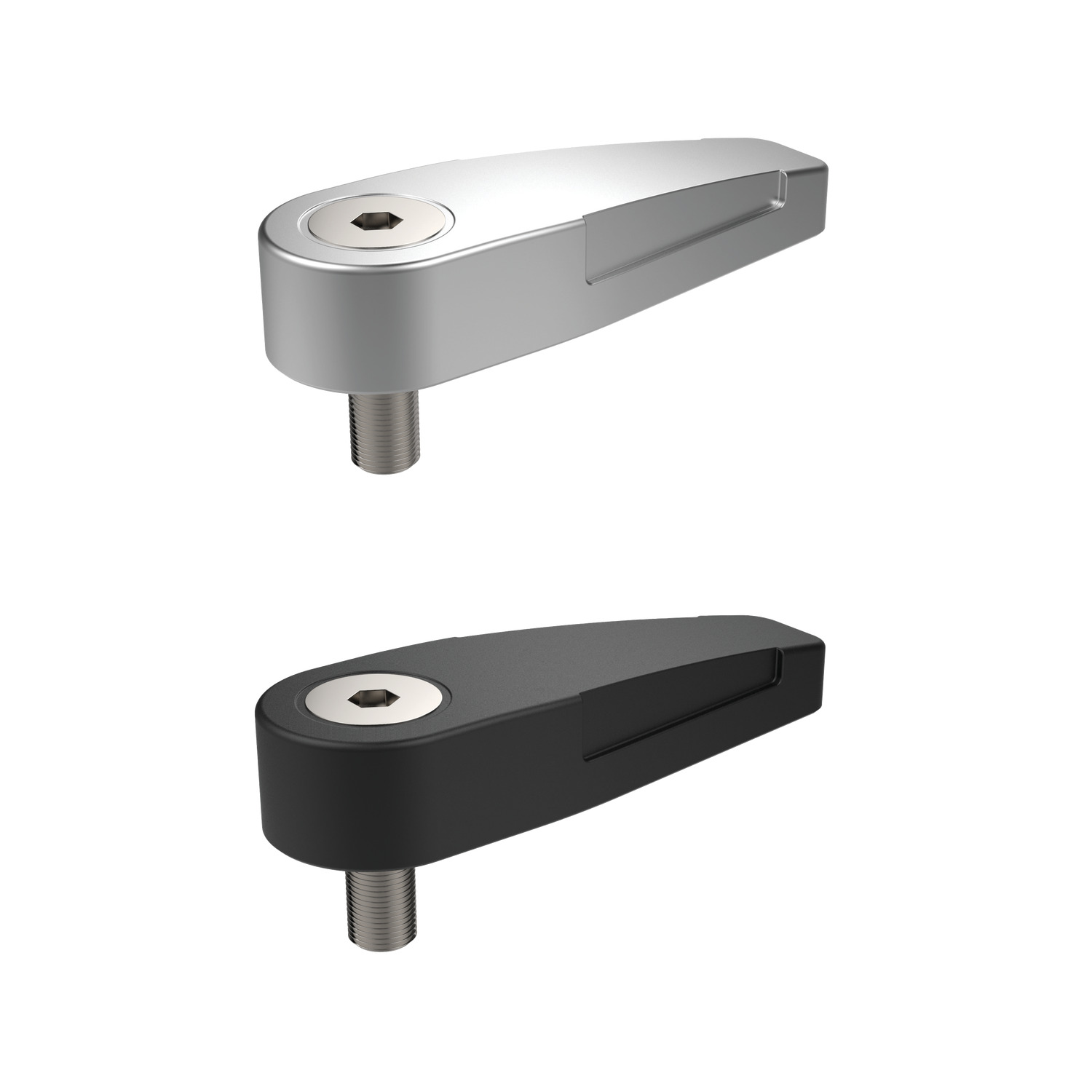
Stainless steel is a widely used engineering material valued for its corrosion resistance, durability, and versatility across industries such as automotive, aerospace, food processing, as well as chemical and medical manufacturing. Its protective chromium oxide layer enables reliable performance in demanding or hygienic environments. In construction and infrastructure, it provides long-term structural integrity with minimal maintenance; in transport sectors, it offers strength-to-weight efficiency and fatigue resistance; and in medical and food industries, its non-reactive surface supports strict hygiene and sterilisation requirements.






Steel
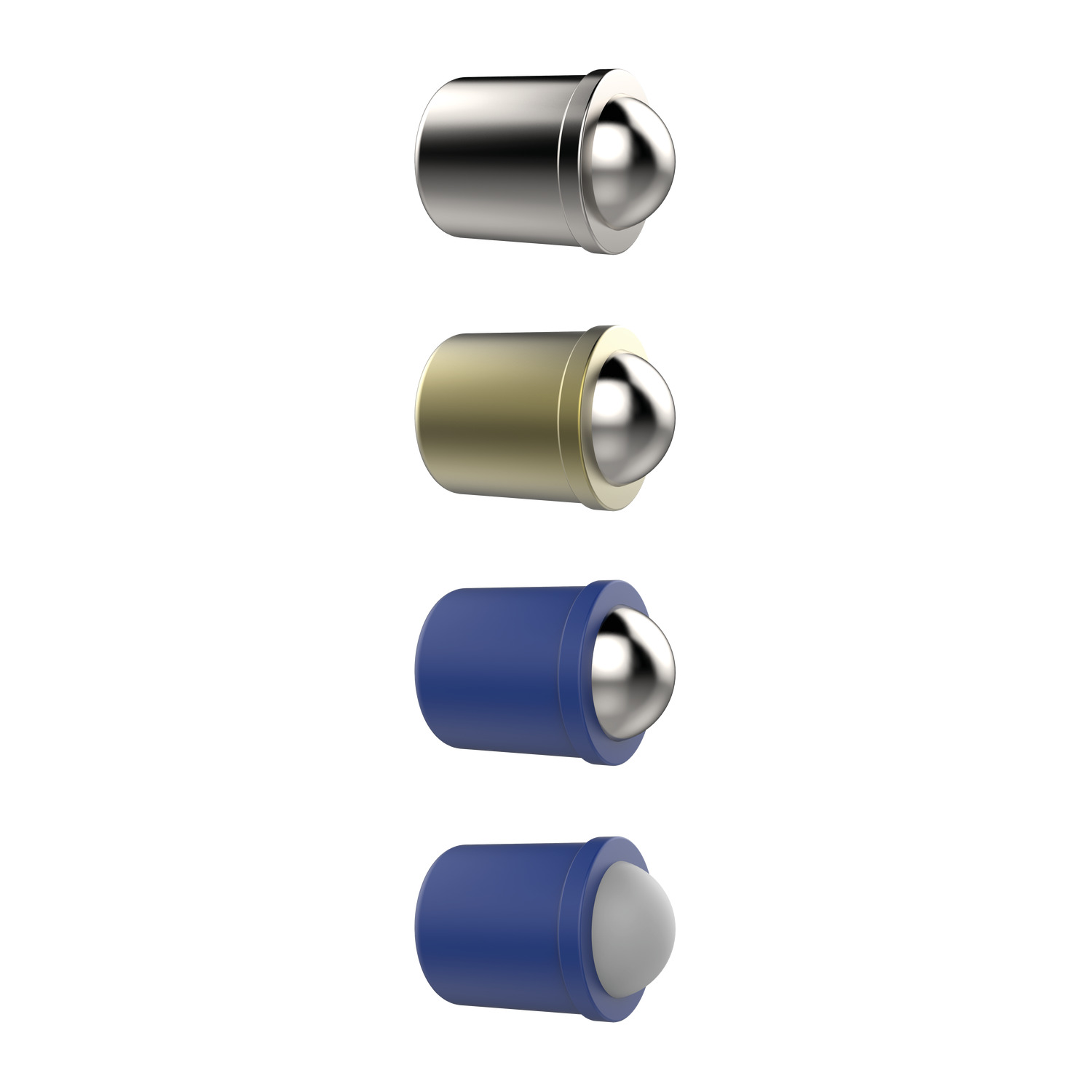
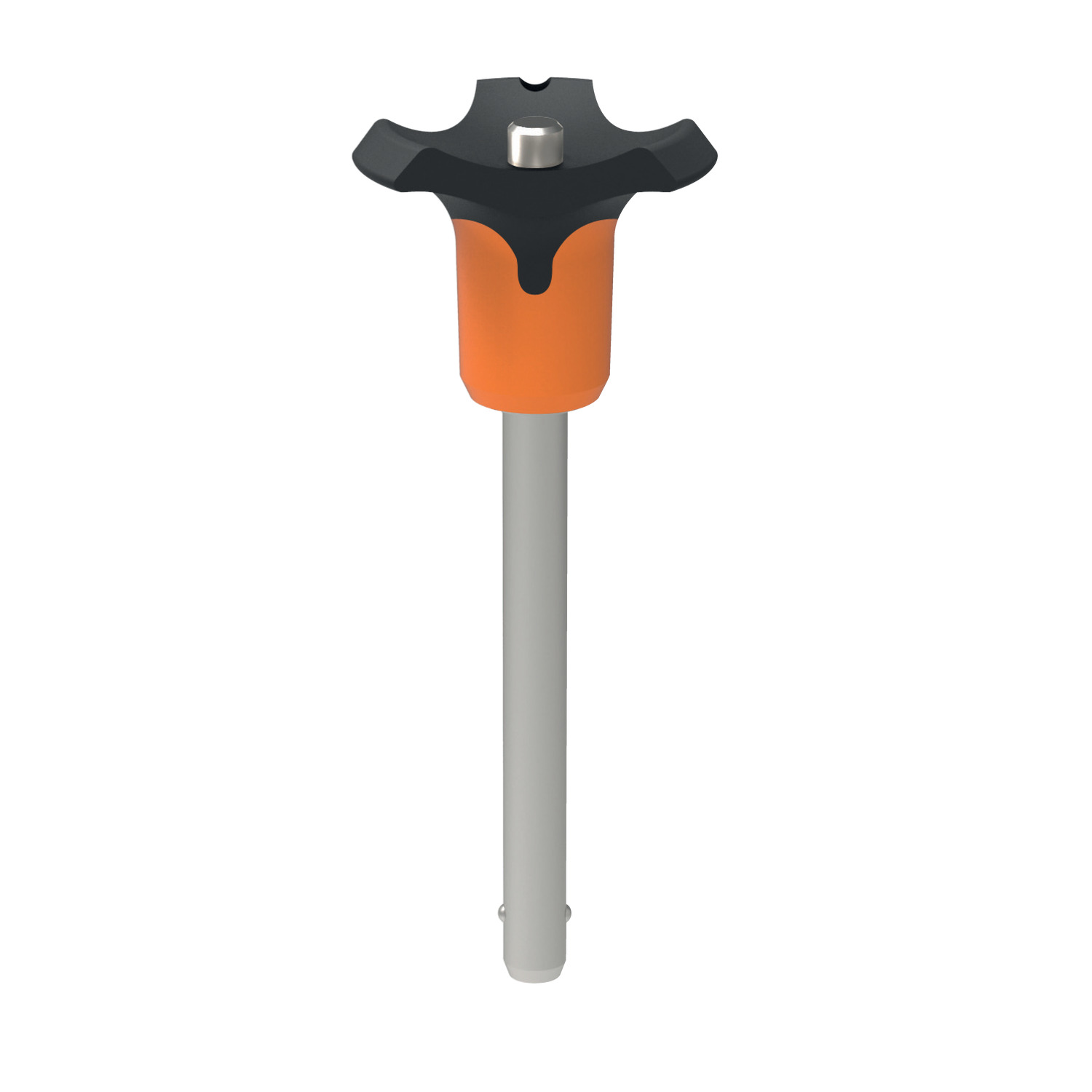
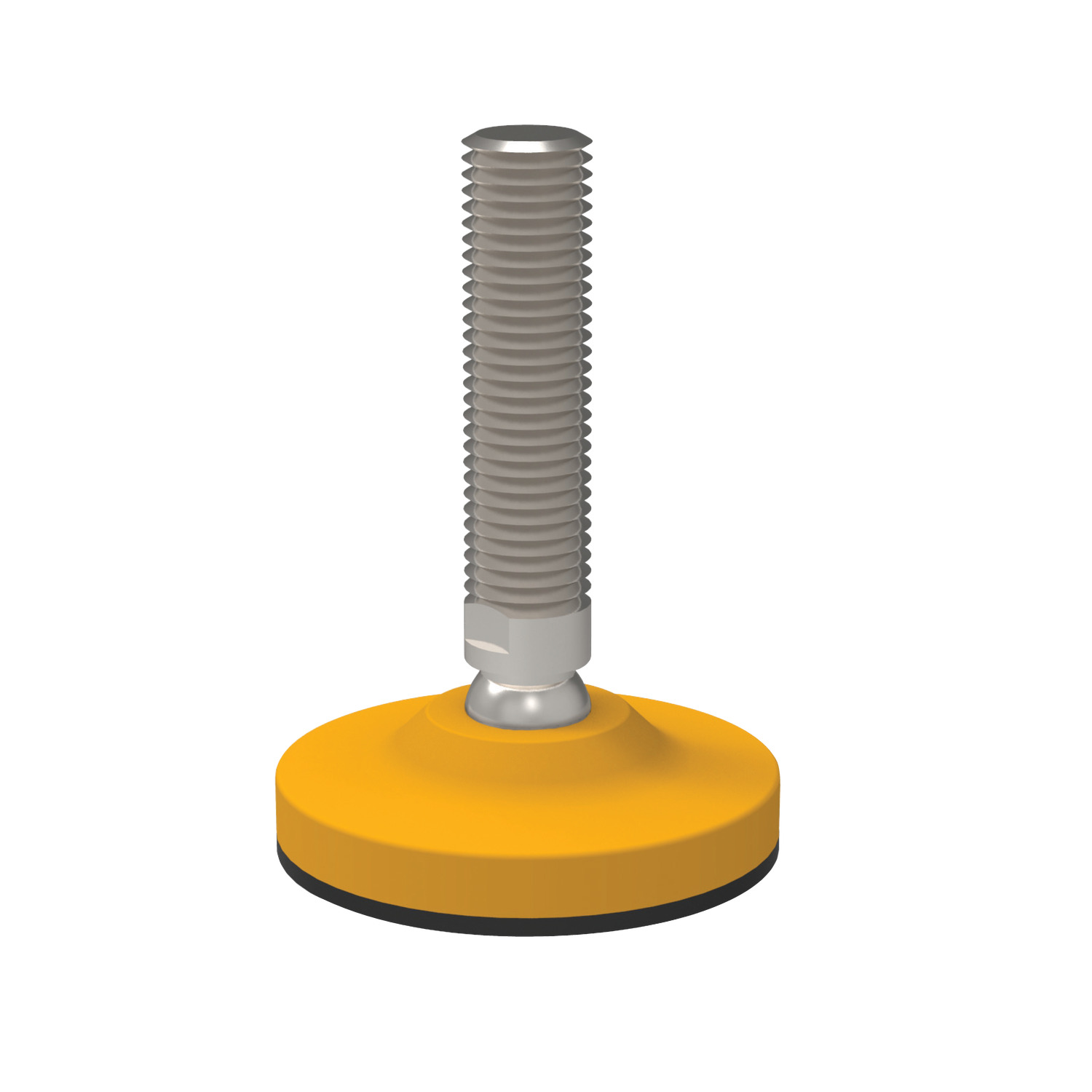
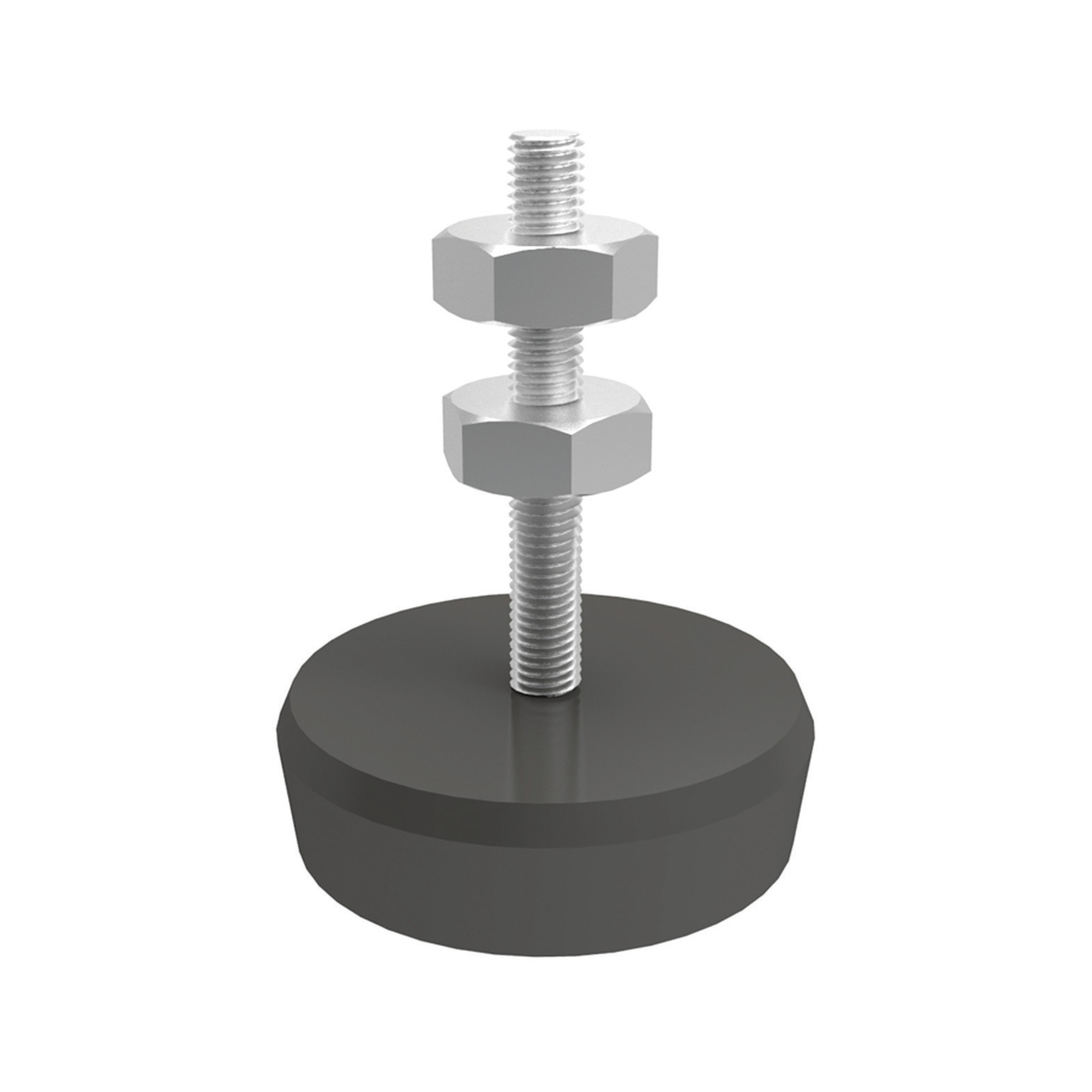
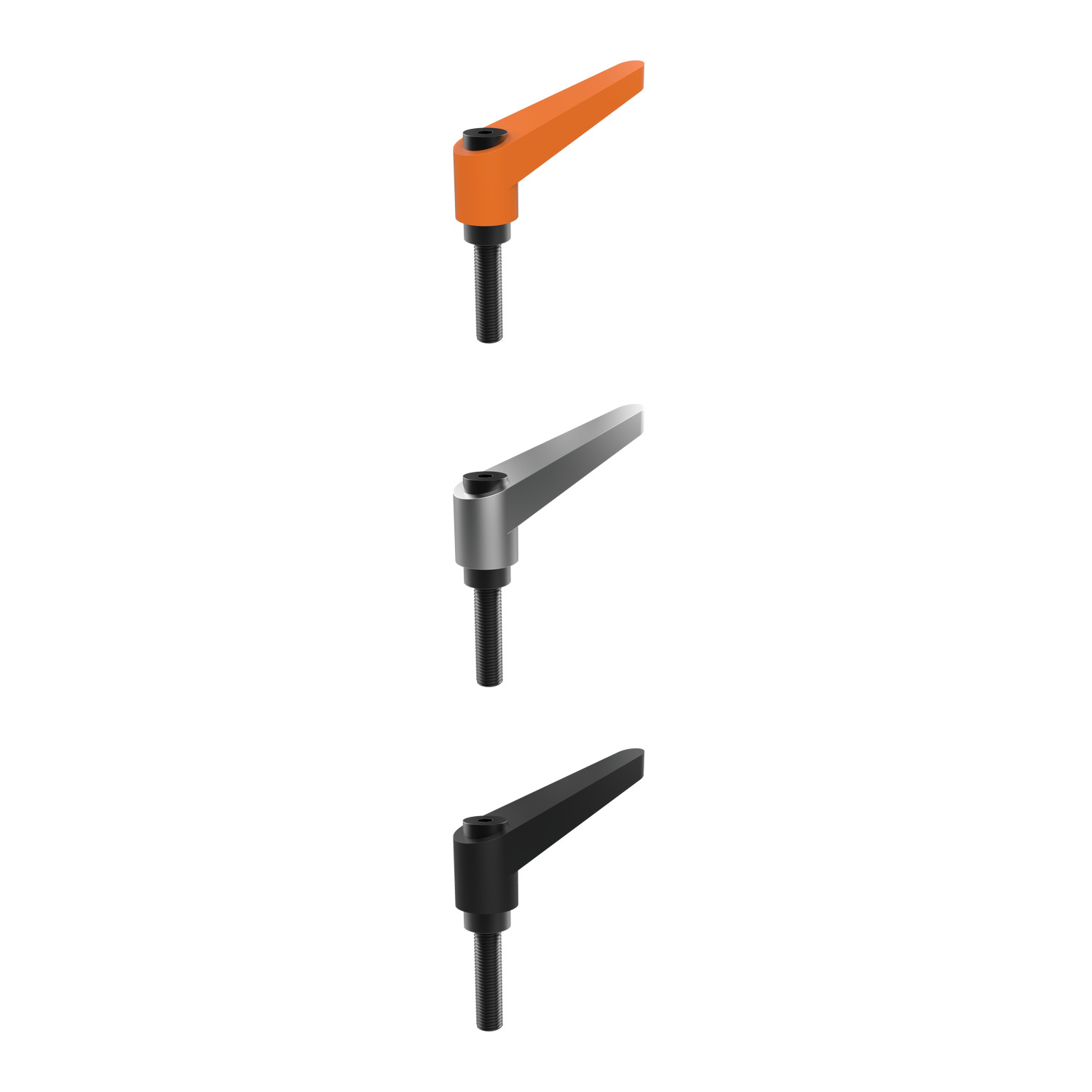
Steel is a versatile engineering material widely used in construction, automotive, energy, and manufacturing due to its strength, durability, and cost-effectiveness. Its ability to be alloyed and heat-treated allows engineers to tailor its properties for applications ranging from structural frameworks to precision components, making it essential where safety, reliability, and scalability are required.







Aluminium
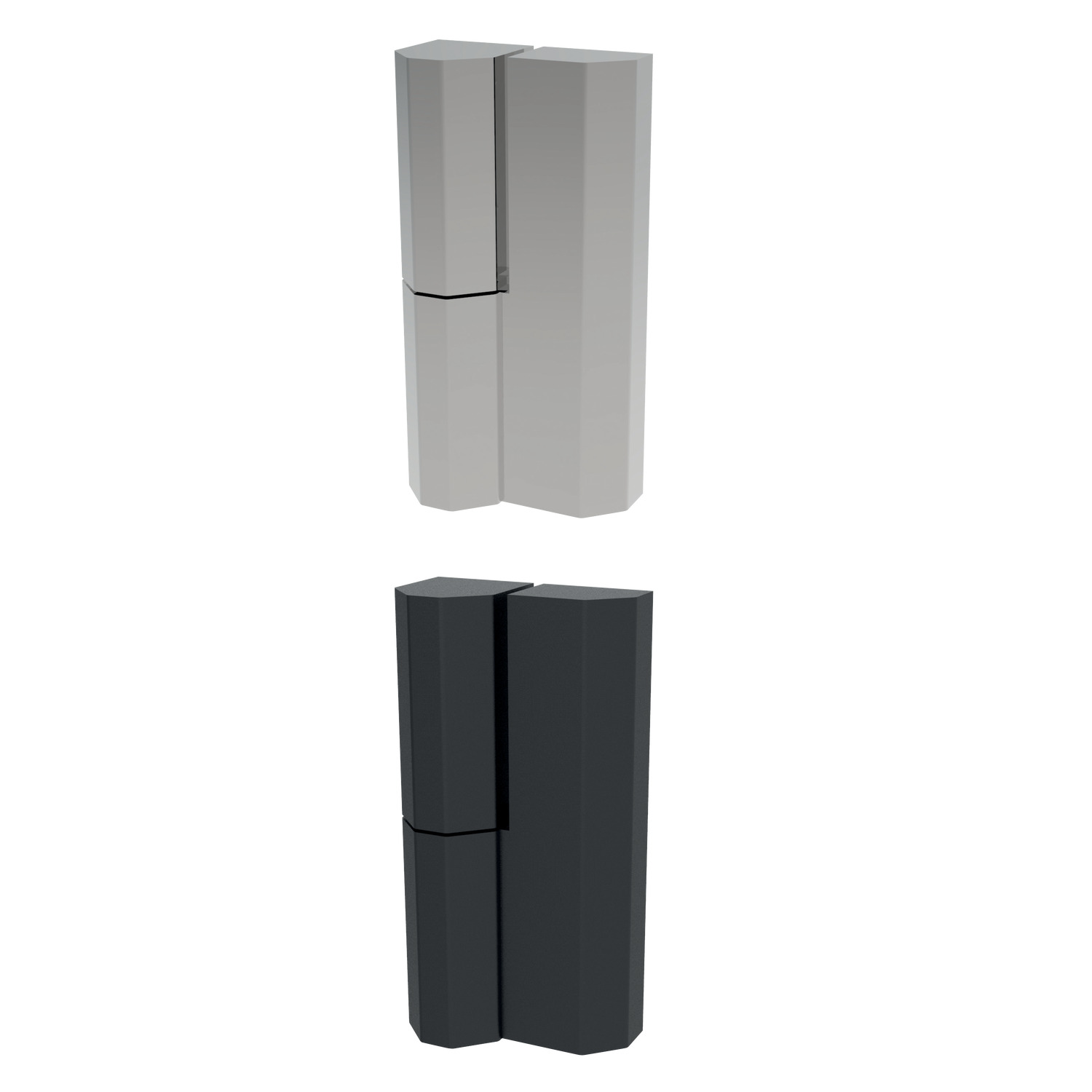
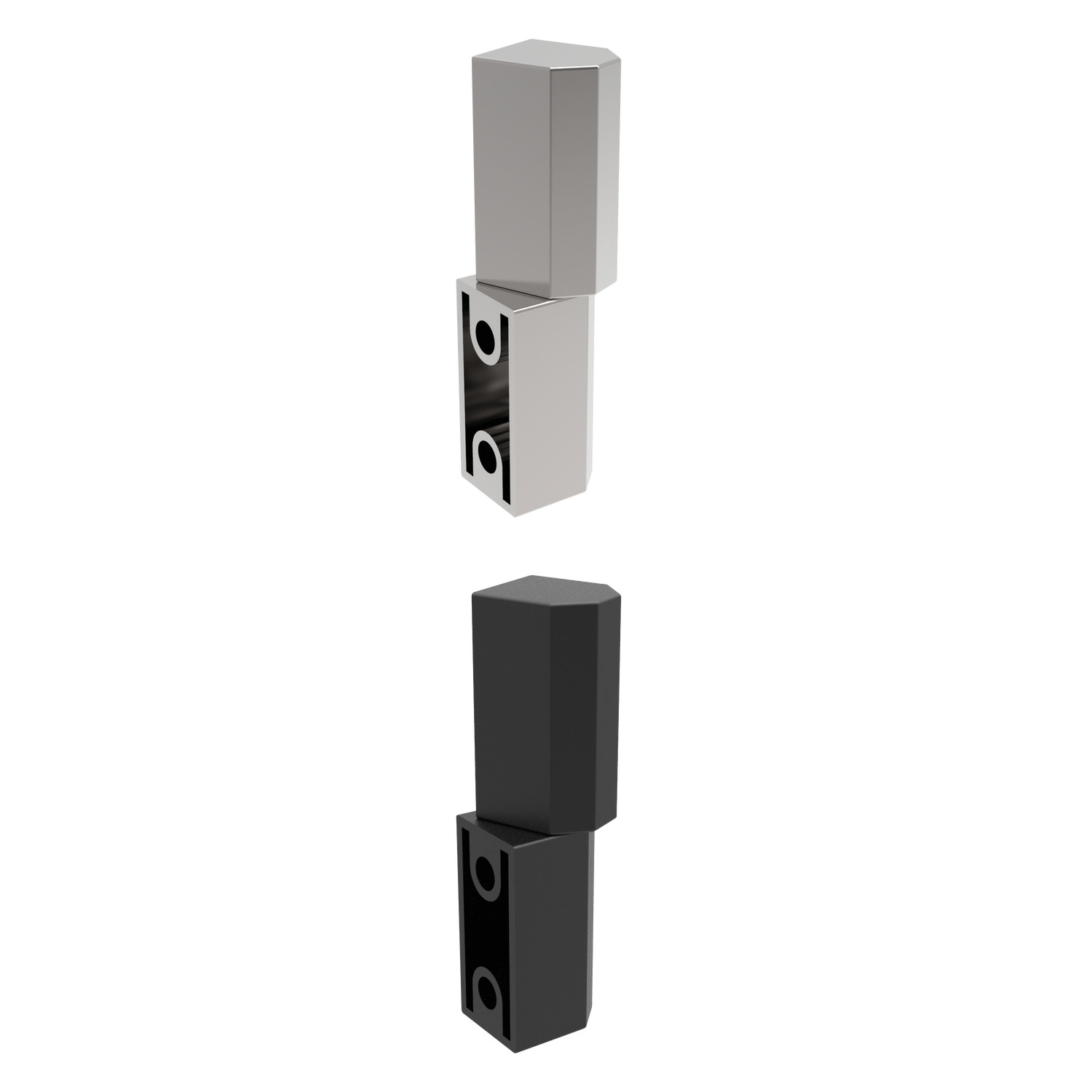
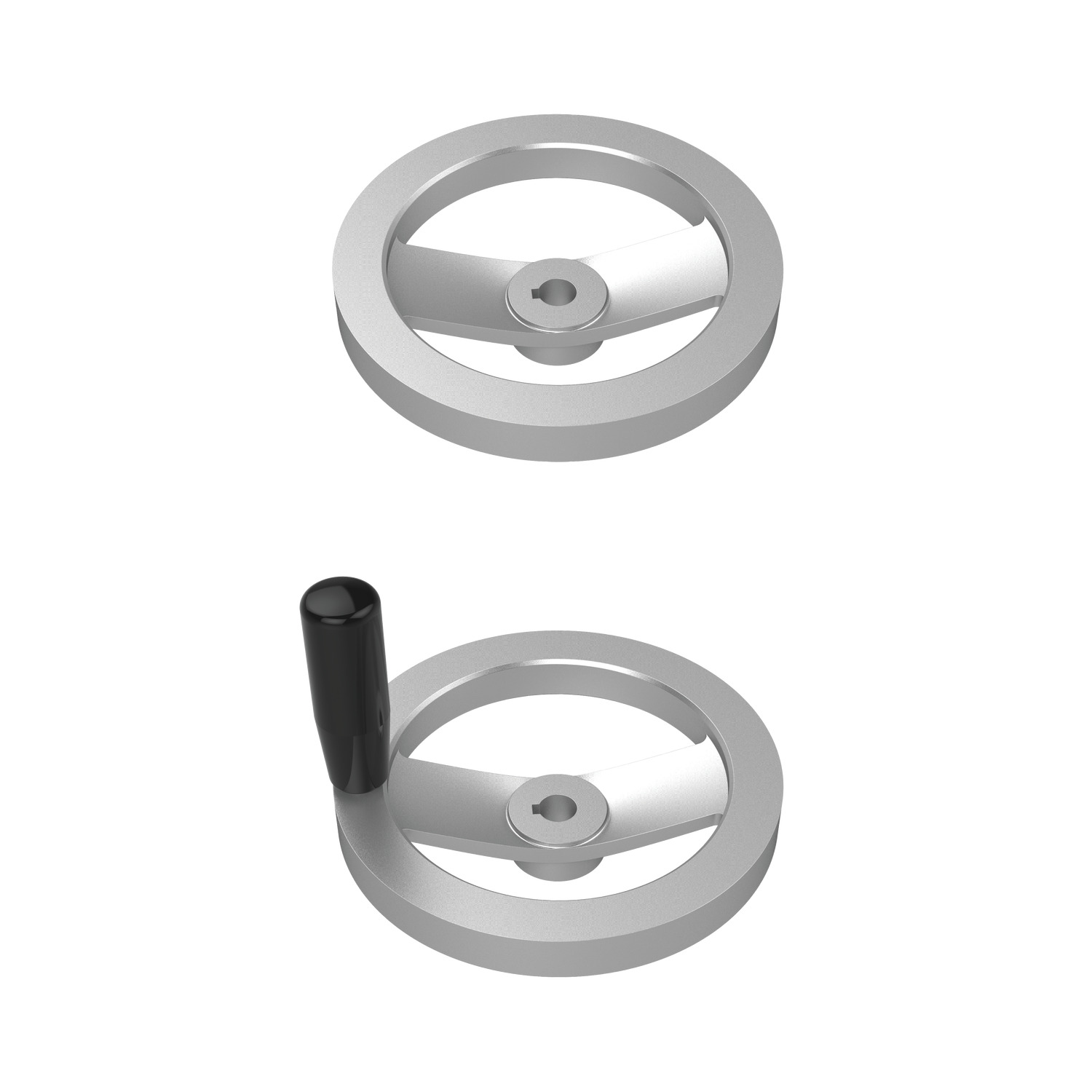
Aluminium is a widely used engineering material in aerospace, automotive, construction, and packaging due to its lightweight properties, corrosion resistance, and strong strength-to-weight ratio. It is especially valuable in transport applications for improving efficiency and in construction for providing durable, low-maintenance solutions, while also being suitable for electrical and thermal applications thanks to its conductivity and ease of fabrication.





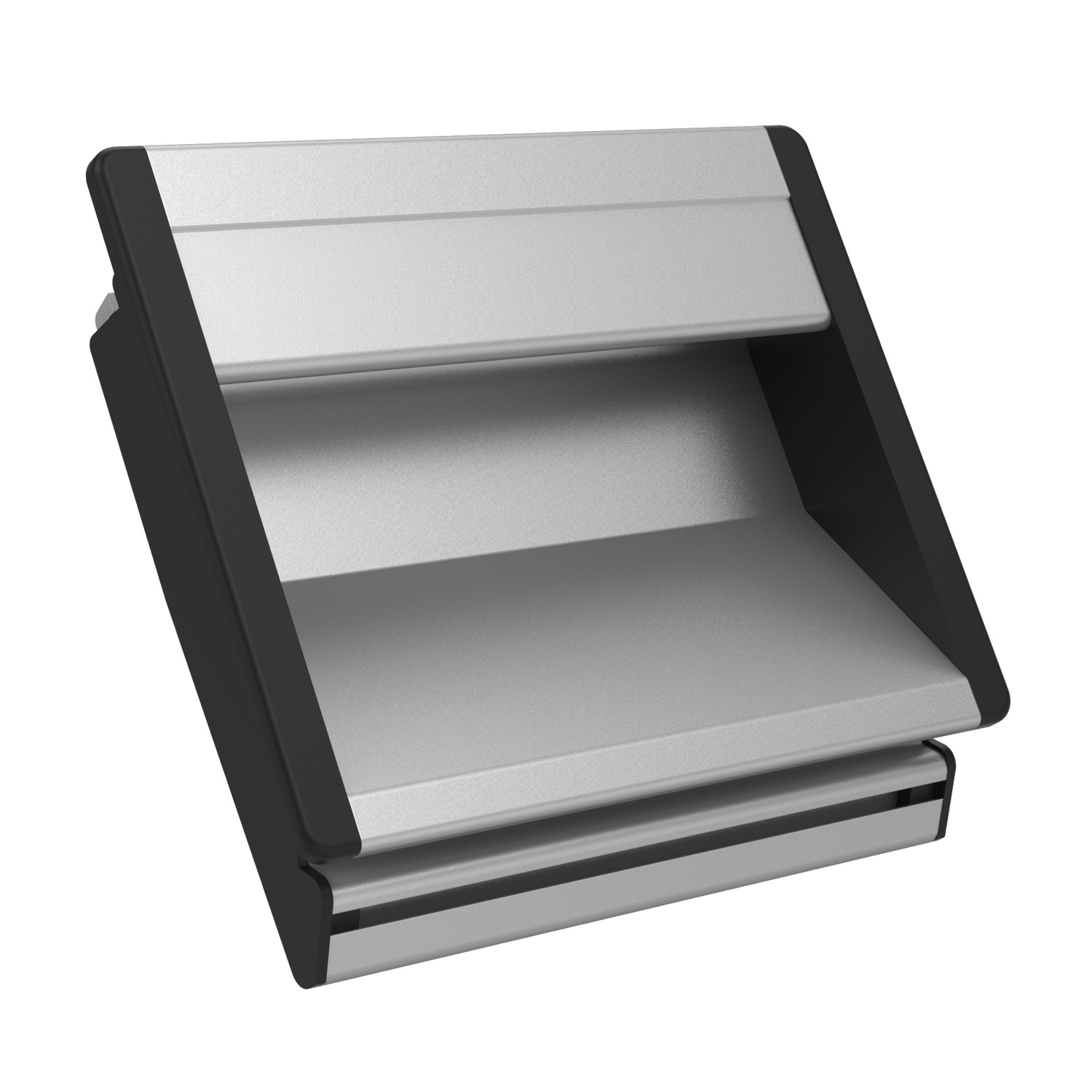
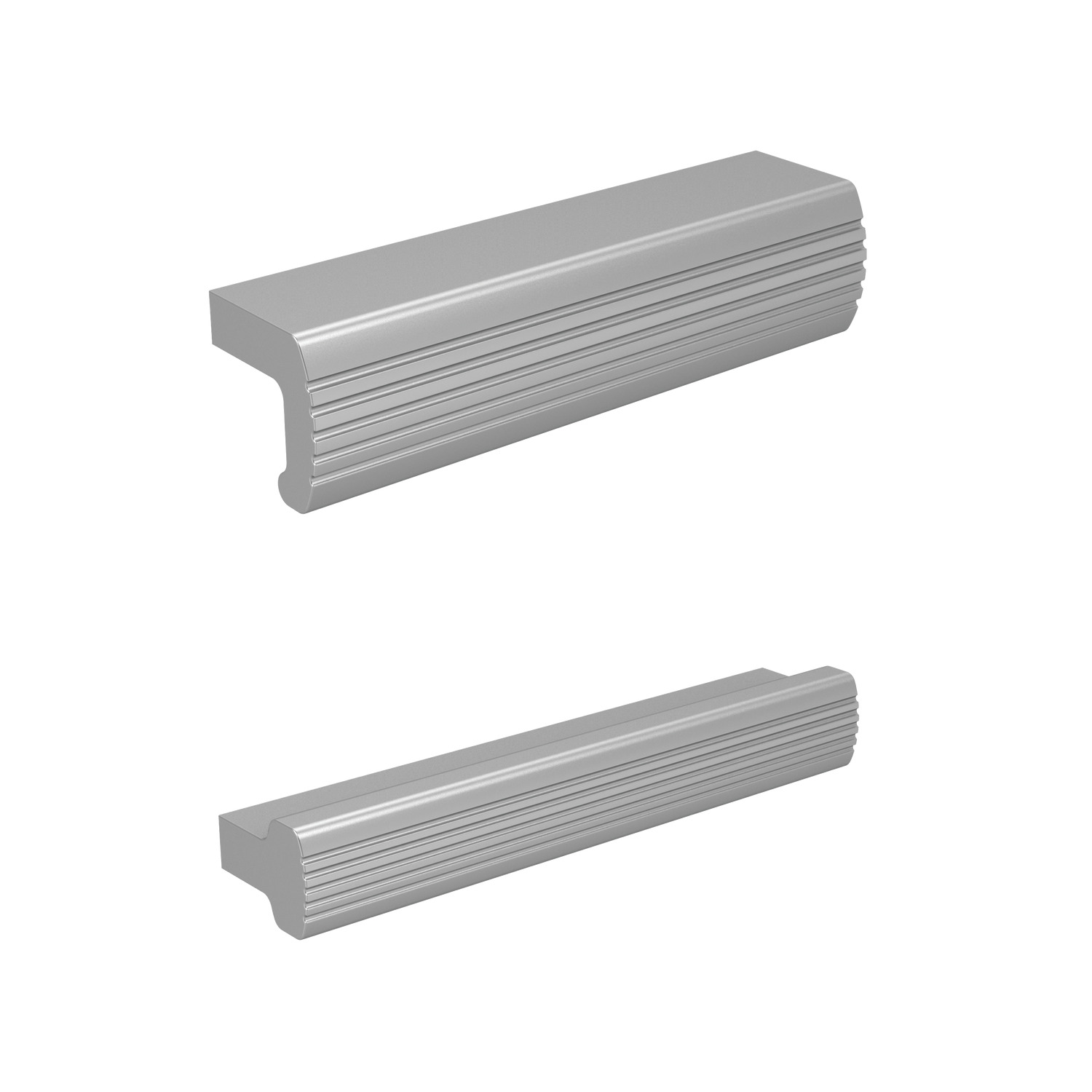
Brass
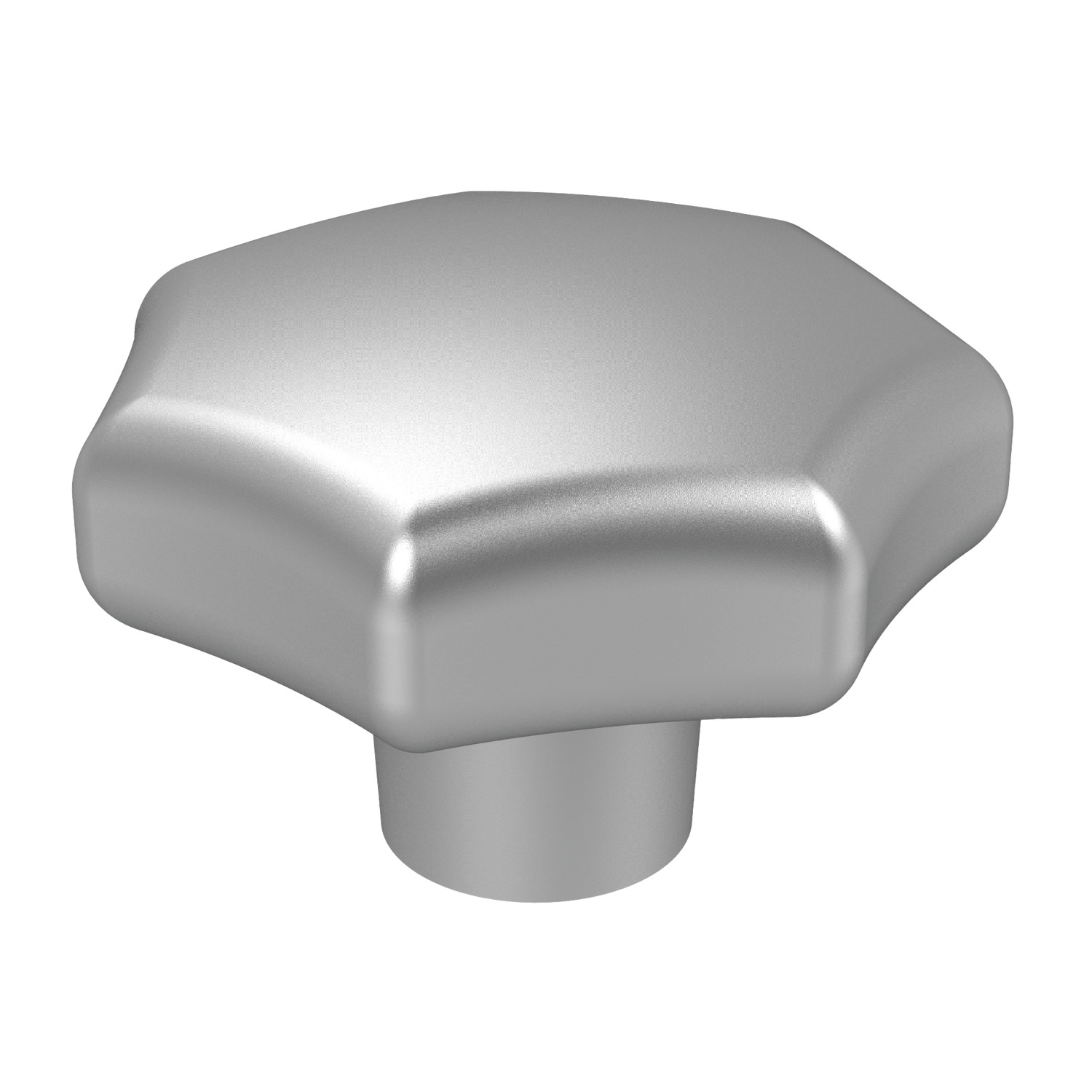
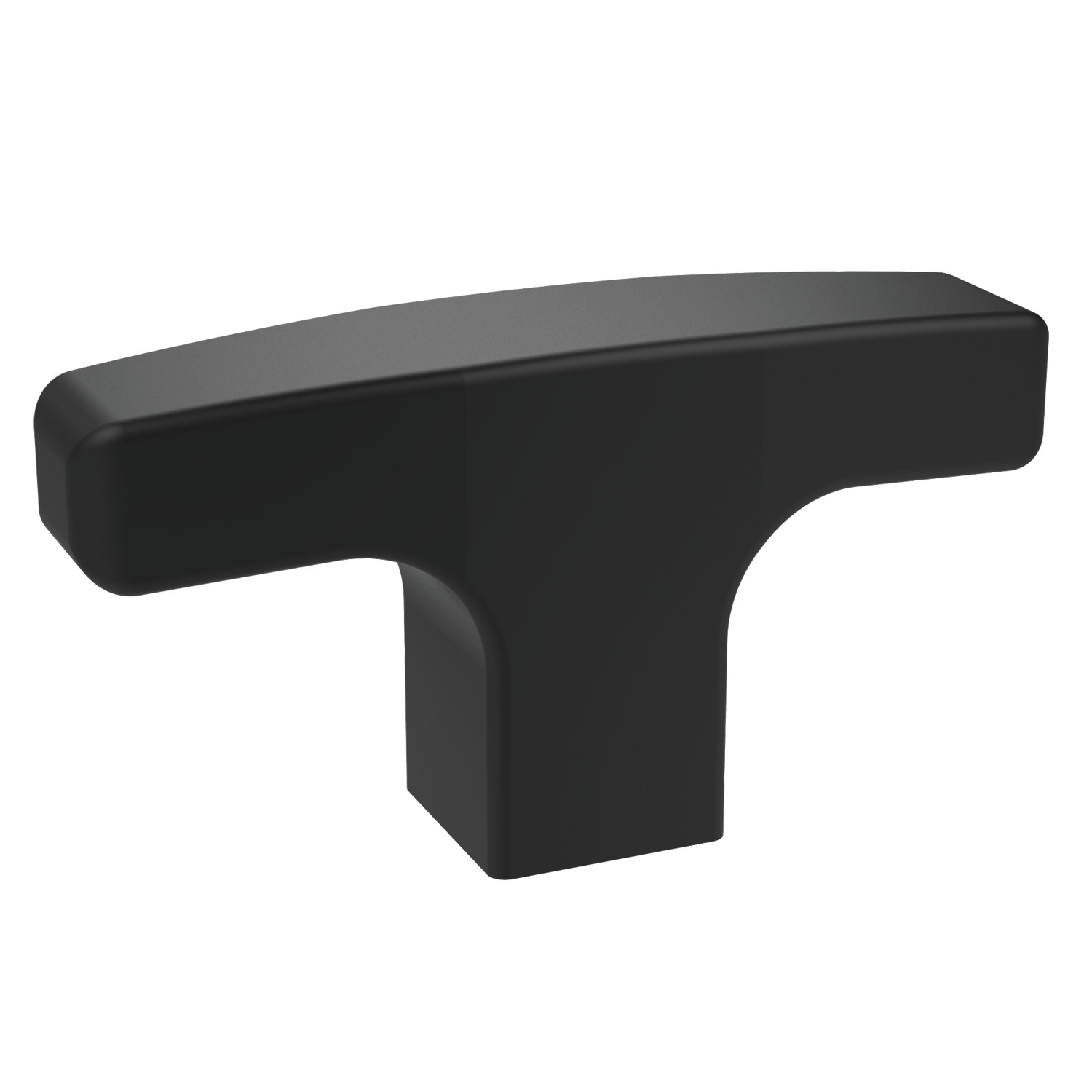
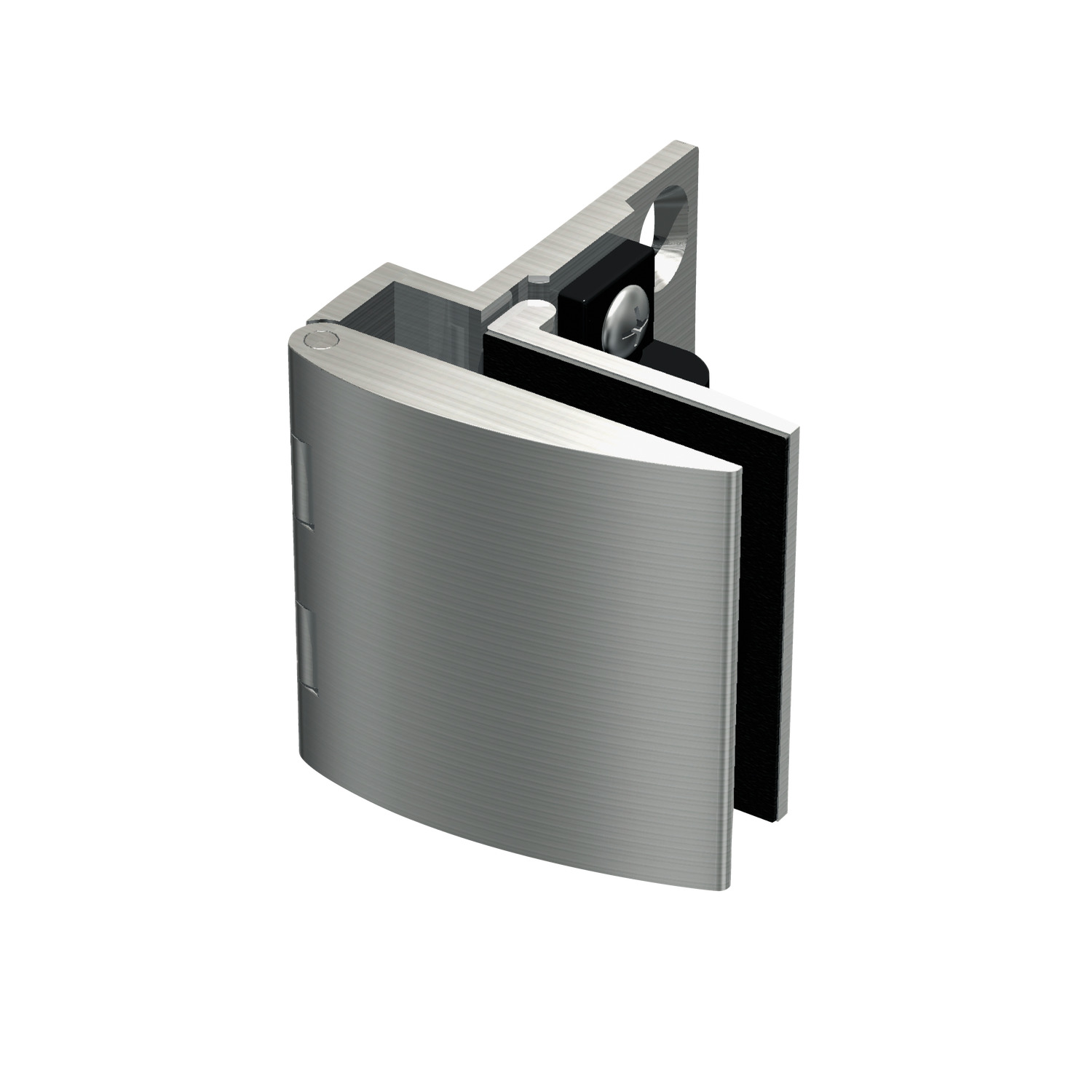
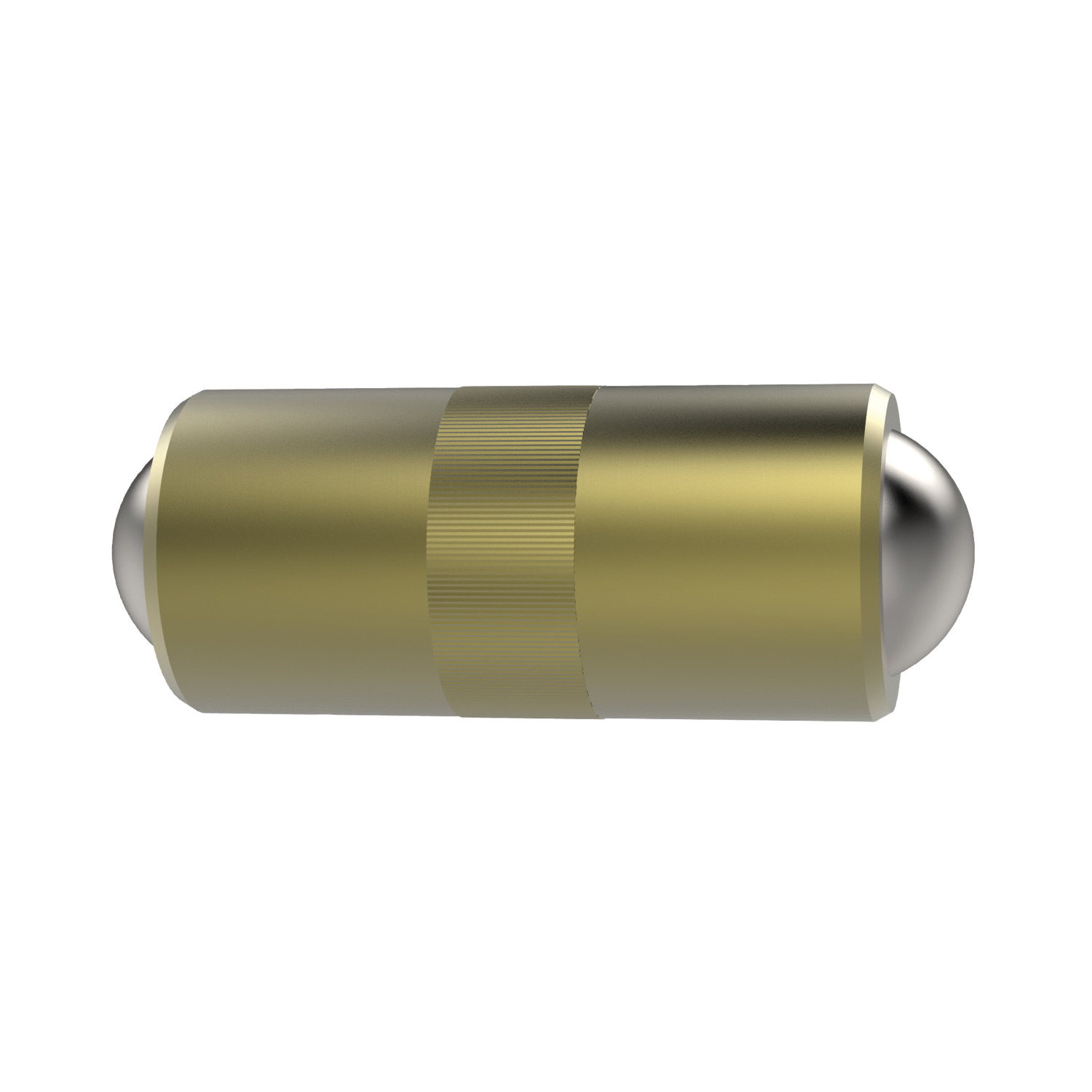
Brass is a copper-based alloy used in plumbing, electrical, and automotive applications due to its machinability, corrosion resistance, and ease of forming. It is ideal for components requiring precision and reliability.
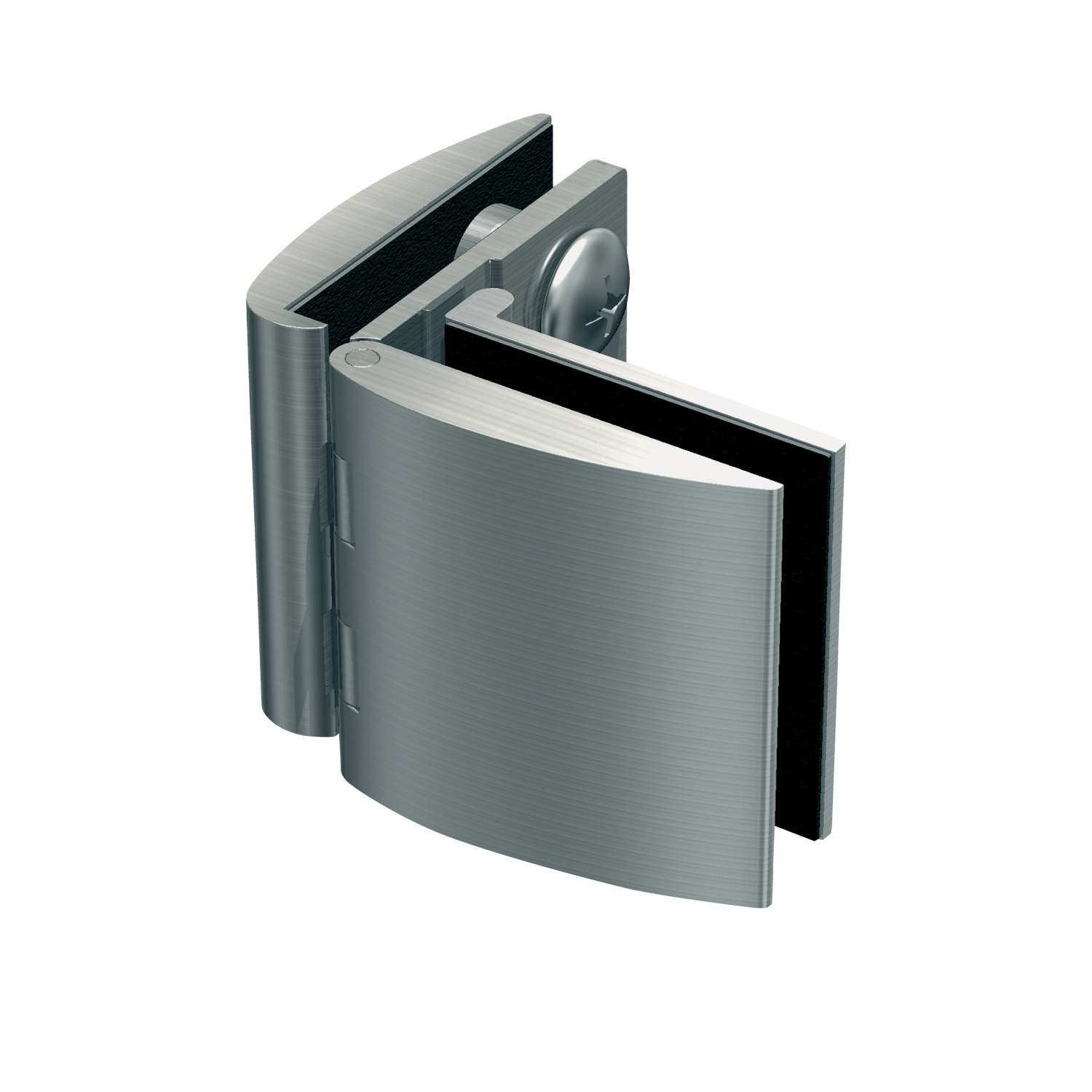
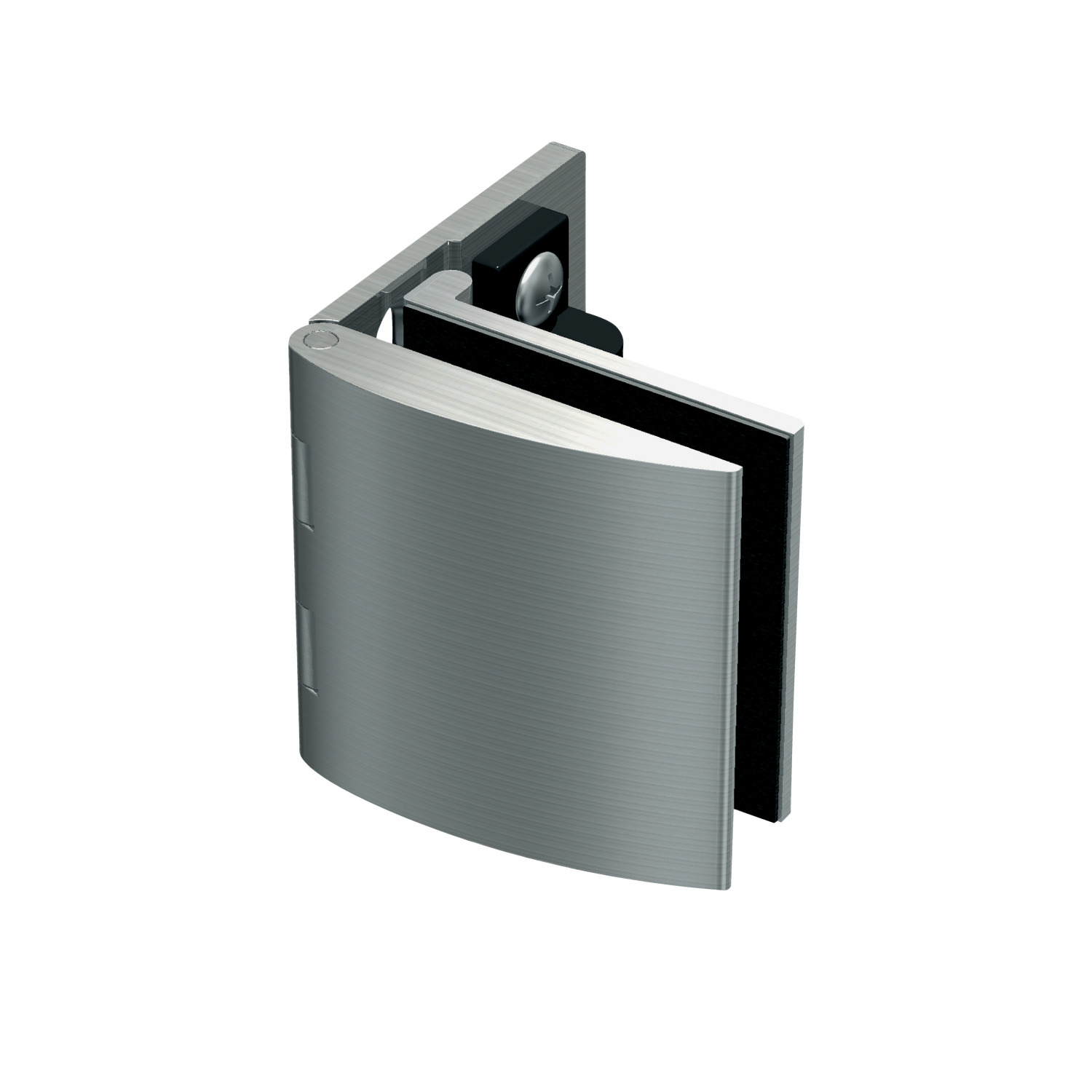
Iron
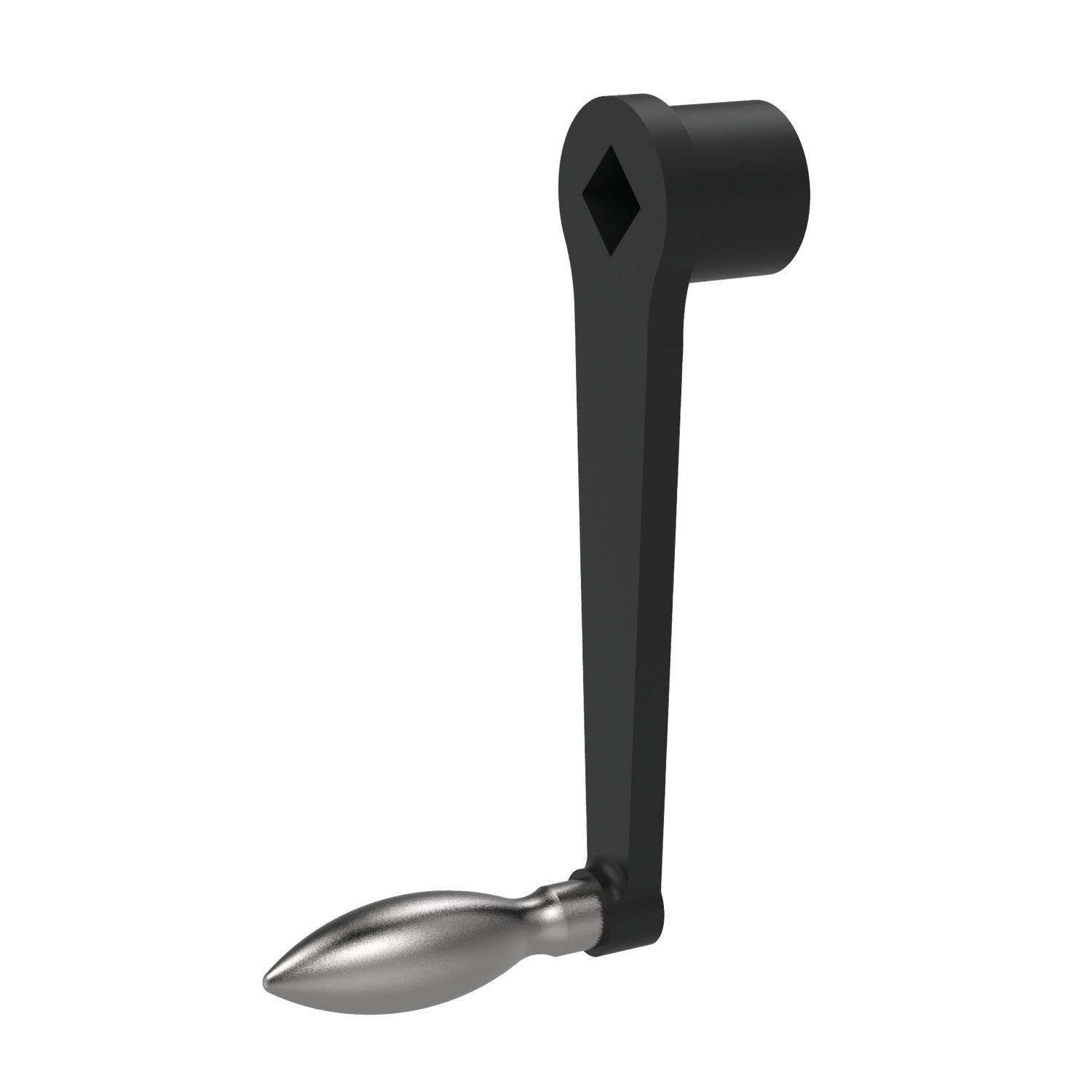
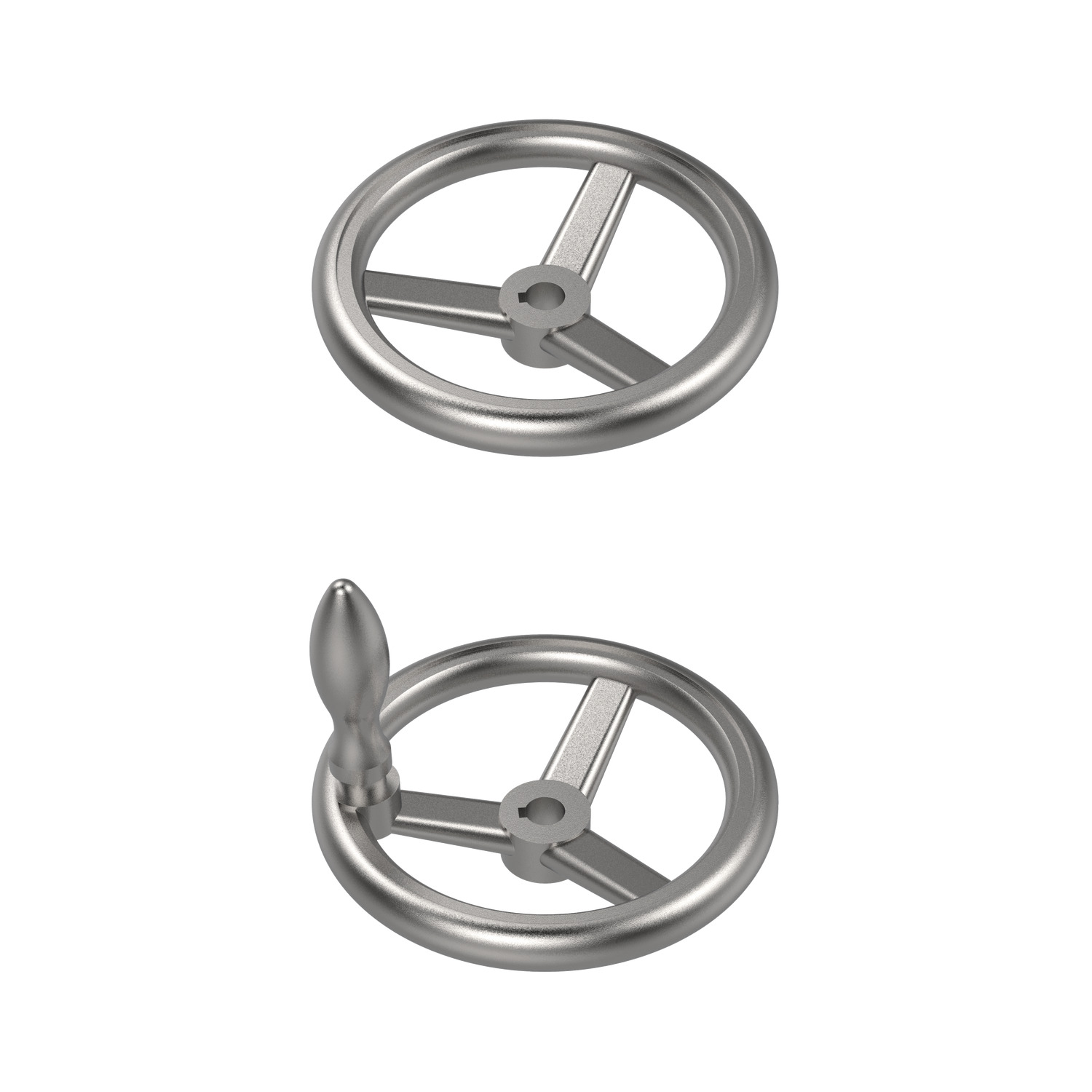
Iron is widely used in construction and manufacturing, particularly as the base material for steel production, making it fundamental to modern engineering. It is valued for its strength, availability, and excellent castability, which allows it to be formed into complex shapes for a wide range of applications. Iron is especially suitable for heavy-duty and structural uses, such as machinery, infrastructure, and load-bearing components, where durability, stability, and long service life are essential.

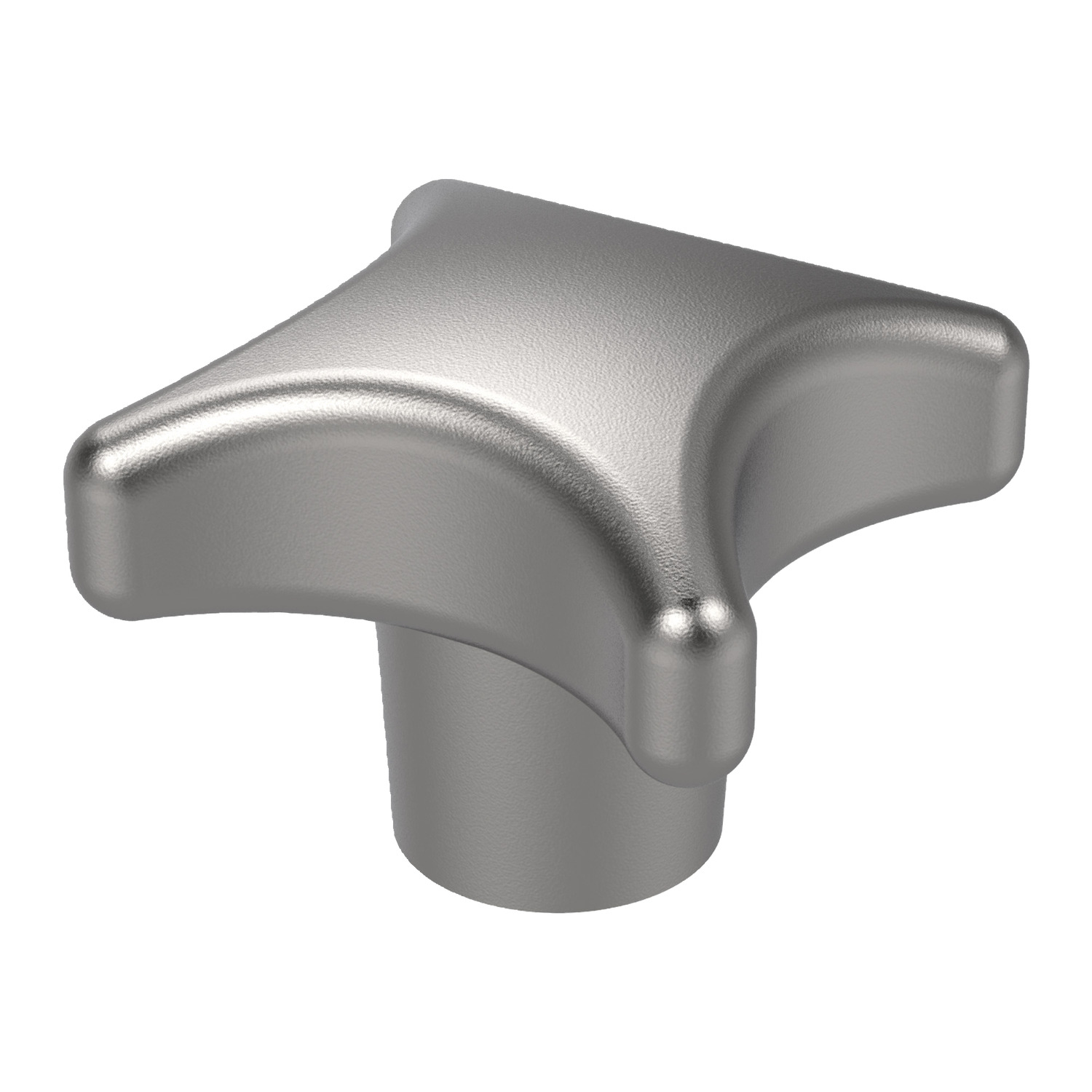


Nylon
Nylon is a versatile engineering plastic widely used in automotive and manufacturing applications due to its strong balance of strength, wear resistance, and low friction properties. It is commonly used for components such as gears, bearings, and bushings, where smooth operation and durability are important. Nylon is often chosen as a lightweight and cost-effective alternative to metal in moving parts, helping to reduce noise, maintenance needs, and overall system weight while maintaining reliable performance.
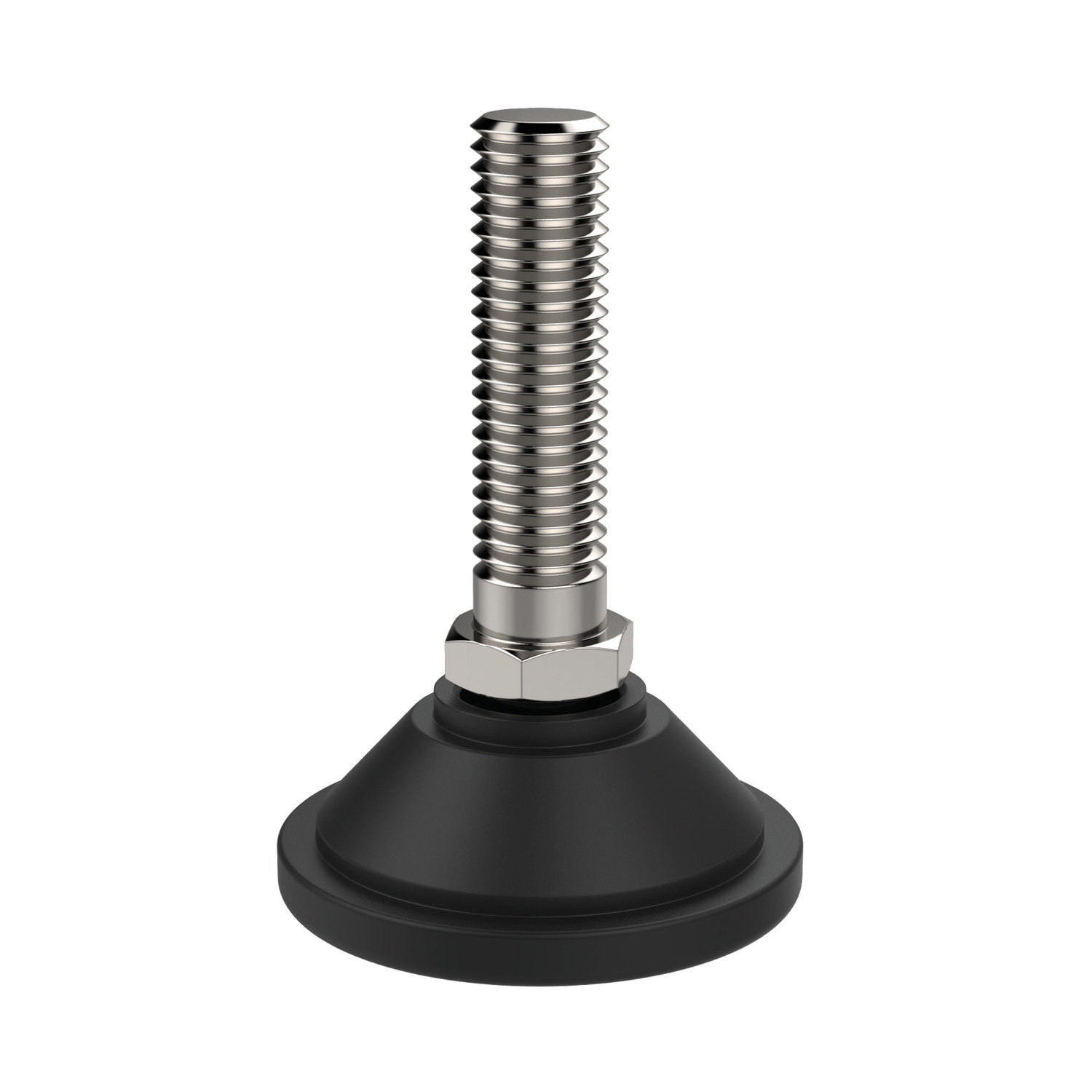

Plastic
Thermoplastics such as polyethylene and polyamide (nylon) are widely used in engineering for their versatility, lightweight properties, and ease of processing across industries like automotive, construction, and packaging. Polyethylene is commonly used for piping and containers due to its durability, while polyamide is suited to mechanical components such as gears and bearings thanks to its strength and wear resistance. These materials are often used as efficient, corrosion-resistant alternatives to metals.
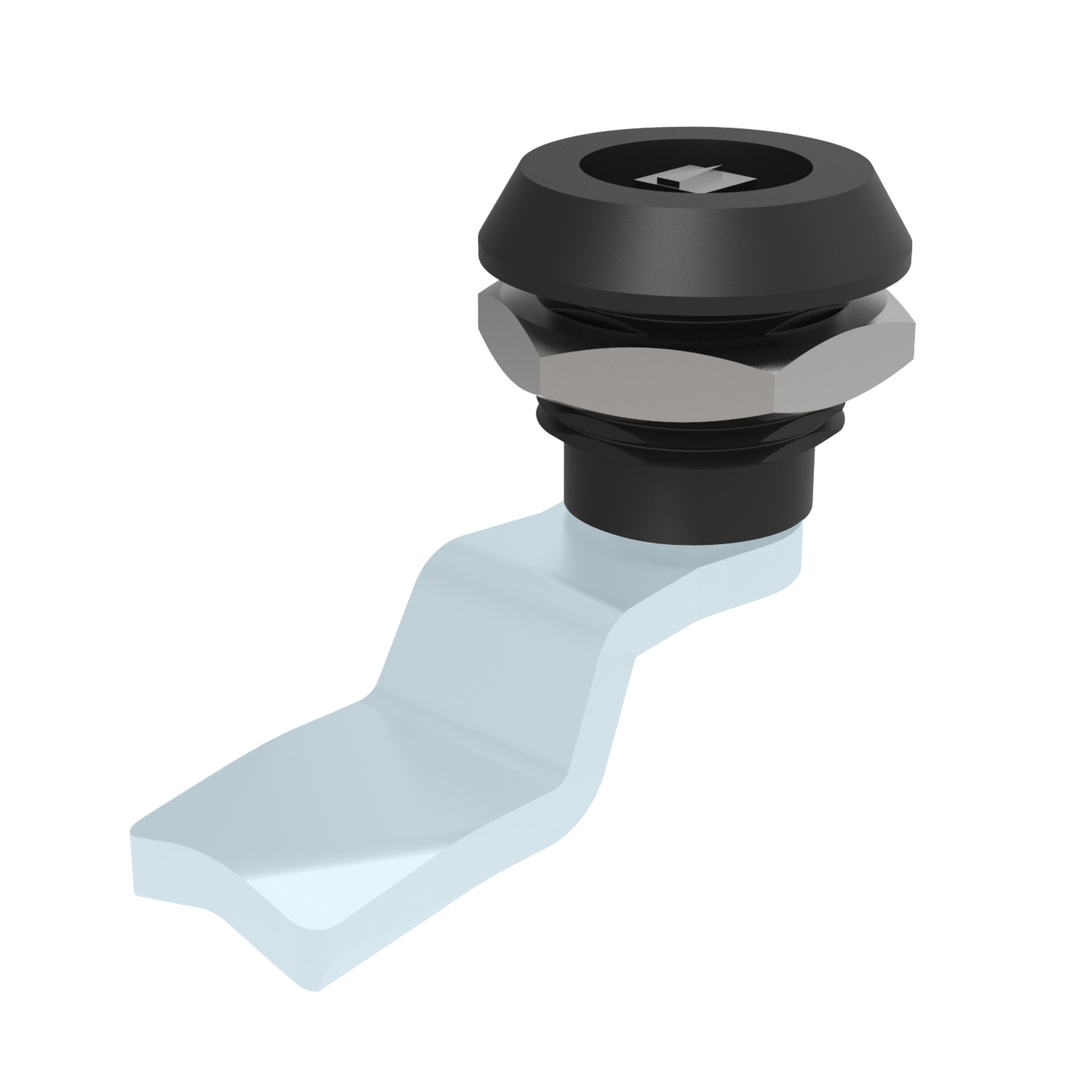


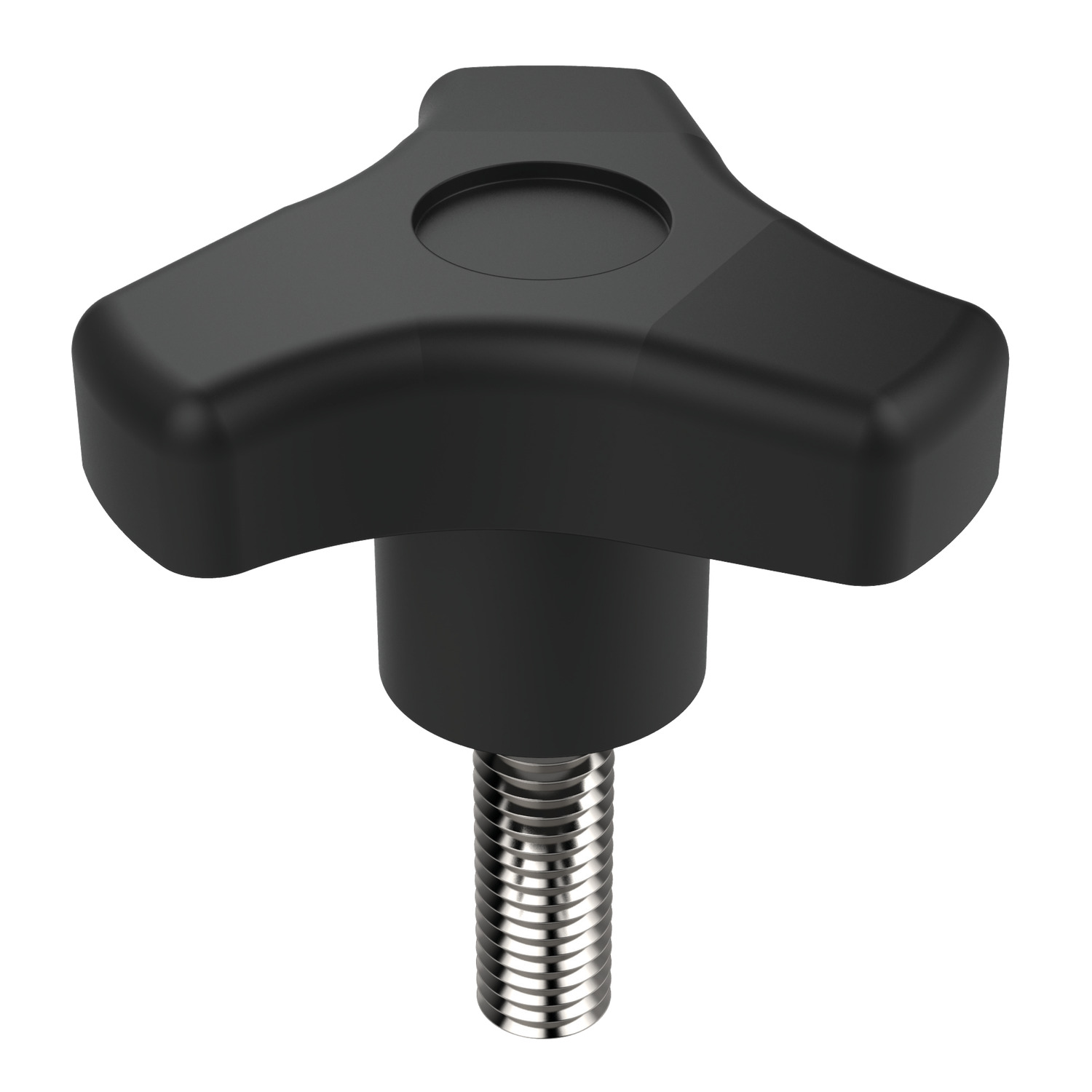




Neoprene
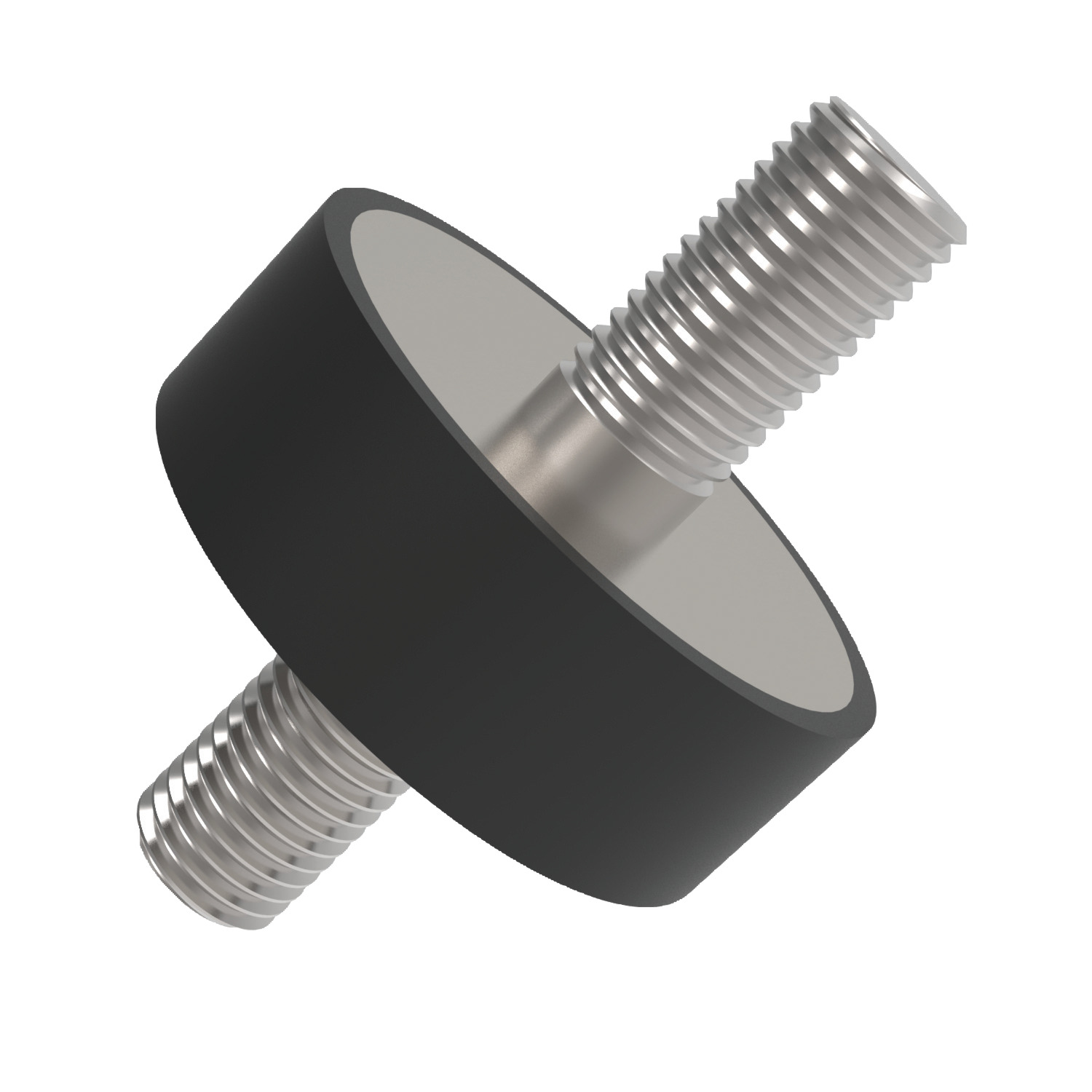
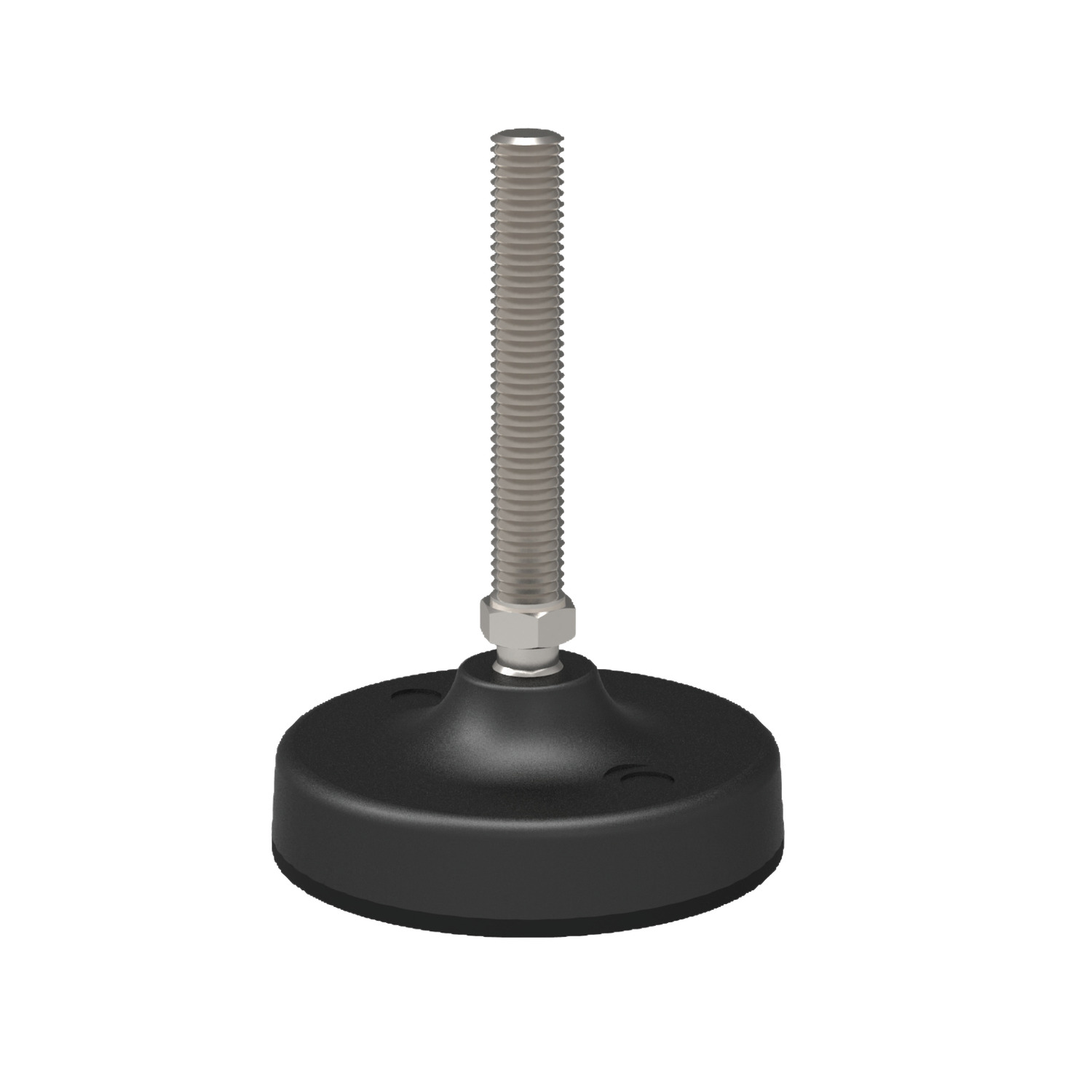
Neoprene is a synthetic rubber used in marine, automotive, and industrial applications for its resistance to weathering, chemicals, and oils. It is commonly used in seals, gaskets, and insulation where durability and flexibility are required in harsh environments.


Urethane
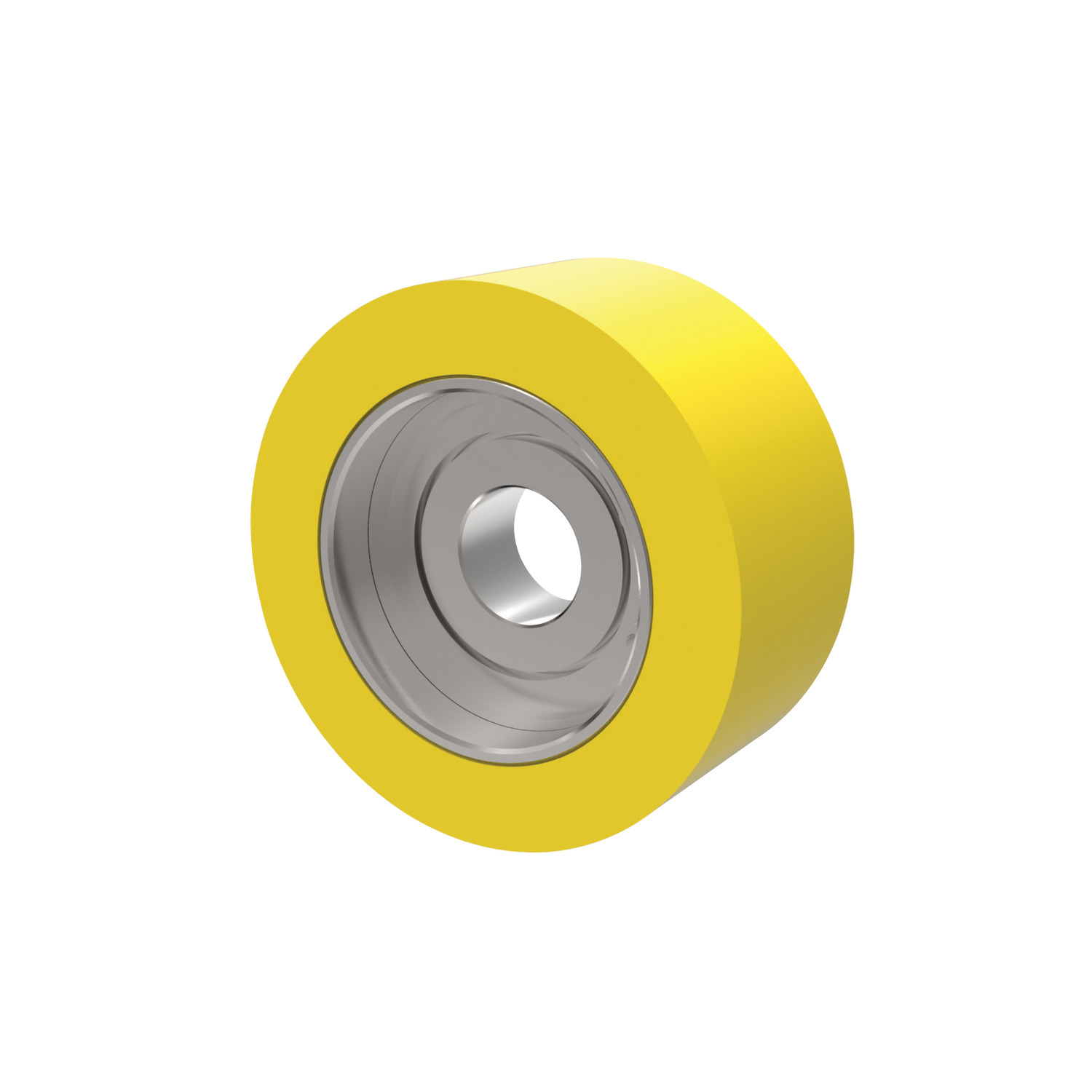
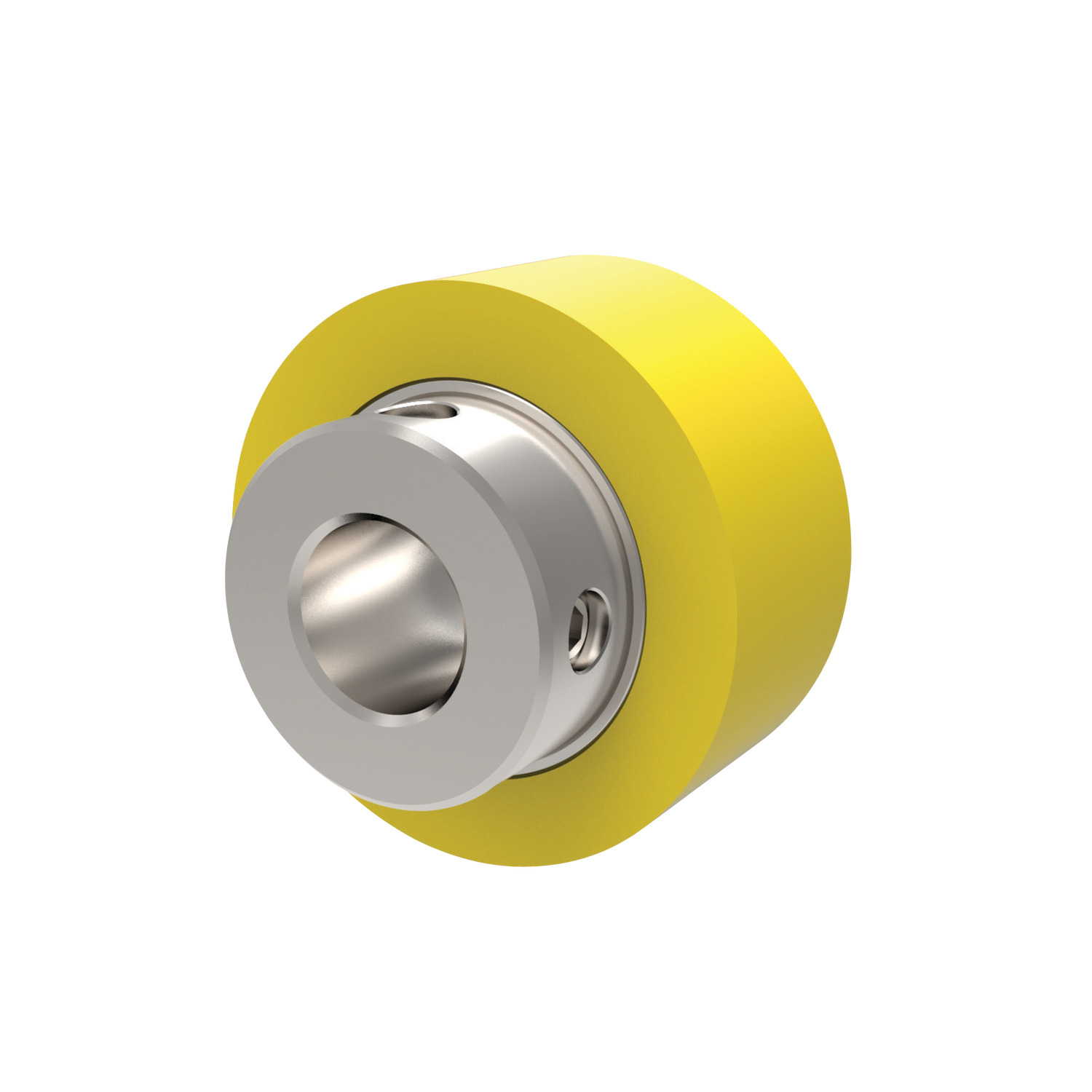
Urethane, or polyurethane, is a versatile polymer used across automotive, construction, and industrial applications due to its durability, flexibility, and abrasion resistance. It is commonly used in components such as seals, wheels, and coatings where resilience and impact resistance are required, with the ability to range from soft to rigid forms depending on the application.
Looking for more products with the correct material?
Visit our sister brands.


Looking for more products with the correct material?
Visit our sister brands.
Alexia House, Glenmore Business Park
PO19 7BJ Chichester
United Kingdom
0333 207 4497
sales@wixroyd.com
Route via Google Maps
Company registration no: 00496138
Company VAT number GB 408154022